
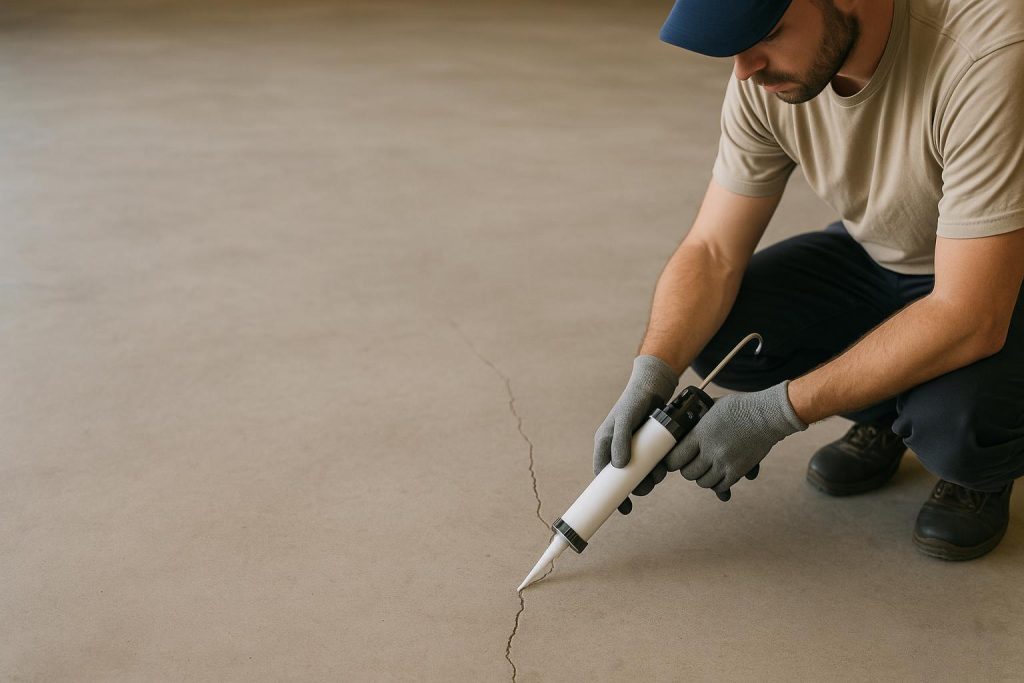
Cracks in Concrete Floors: Achieving a Permanent Fix Through Non-Invasive Methods
Concrete floors in areas like basements, garages, industrial workspaces, and commercial facilities must withstand heavy loads and shifting conditions. Over time, cracks may appear due to drying shrinkage, soil movement, or day-to-day wear and tear. These flaws can lead to leaks, structural instability, and a range of other issues if ignored. Homeowners and property managers often wonder: Can these cracks really be fixed for the long term without tearing out the concrete or digging around the building’s exterior? The answer is yes. Modern, non-invasive techniques—including polyurethane and epoxy injections—can provide a lasting solution that prevents future damage and maintains structural integrity. Below, we explore how these methods work, why they’re so effective, and what you can expect when addressing concrete floor cracks.
Understanding Concrete Floor Cracks
Before diving into repair techniques, it helps to understand where floor cracks come from. Concrete naturally experiences shrinkage as it dries, which can cause hairline fractures soon after installation. Over time, temperature changes, freeze-thaw cycles, and shifting soils also exert stress on the slab. In garages, constant exposure to vehicle traffic can aggravate this stress, while basements must handle water pressure from outside soils. Even commercial and industrial settings undergo repeated vibration from machinery or heavy equipment, forming cracks in spots that endure stress.
Fortunately, many of these cracks are non-structural, meaning they do not threaten the overarching stability of the building. They can, however, allow water entry, radon gas seepage, or moisture intrusion that leads to mold formation. In some cases, cracks suggest deeper structural problems—these may require more robust reinforcement. Targeting cracks early is the key to preventing larger headaches, whether that means stopping leaks or adding structural support.
Why Non-Invasive Repair Methods Work
Traditionally, repairing a cracked concrete floor might have involved excavation or a complete slab replacement. These options are costly, disruptive, and time-consuming for homeowners and businesses alike. By contrast, non-invasive crack repair methods focus on injecting specialized materials—usually polyurethane foam or epoxy—directly into the affected area from inside the structure. This approach saves you from ripping out large sections of concrete or digging around your property. Below are a few reasons these methods excel:
- Targeted Sealing: Polyurethane and epoxy injections seal the crack at its source, eliminating pathways for water intrusion. By filling the void completely, these materials create a waterproof barrier to prevent future damage.
- Material Strength: Polyurethane foam can expand and flex as temperatures and moisture levels fluctuate, making it ideal for non-structural cracks that move over time. Meanwhile, epoxy forms a rigid bond that can strengthen load-bearing cracks.
- Time and Cost Savings: Because no excavation is needed, the repair is typically faster and more affordable. Property owners can often continue using their space with minimal interruption.
- Warranty Coverage: Many service providers offer a lifetime transferable guarantee for non-structural repairs, reflecting confidence in these advanced crack sealing methods.
Applications Across Different Flooring and Settings
With non-invasive injection approaches, it’s possible to repair nearly any type of concrete floor without needing to remove the existing slab. This flexibility makes interior crack sealing methods ideal for:
- Basement Floors: Floors in below-grade spaces are prone to leaks and moisture infiltration. By addressing cracks in basement floor cracks, you can keep soil gases and water out, improving both air quality and the long-term health of the foundation.
- Garage Floors: If you park vehicles on your concrete slab, normal wear and tear may accelerate cracking. Opting for garage floor repair keeps the surface strong and smooth, with minimal downtime so you can continue using the space throughout the process.
- Commercial and Industrial Floors: In business settings, you want to avoid loads of dust, debris, and operational delays. Techniques for commercial / industrial cracked floor repair allow you to remain open or quickly resume normal operations while the floor is reinforced from the inside.
A common misconception is that interior repair cannot resolve underground water pressure or advanced structural problems. However, if cracks are caught early or if they primarily allow moisture infiltration, polyurethane foam is often an excellent solution. It expands to fill the entire crevice and bond to the surrounding concrete, forming an airtight seal as it cures.
The Role of Warranties and Guarantees
One of the great advantages of modern, non-invasive crack repair is the warranty coverage that may accompany the work. While warranties vary across providers, many property owners can access a lifetime transferable warranty for non-structural repairs. This coverage adds peace of mind, especially if you decide to sell the property in the future. Buyers appreciate knowing the repair is covered long-term, which can bolster your home’s resale value.
For more serious cracks classified as structural, warranties typically last around 10 years. Structural damage involves deeper issues with how the concrete bears loads, so the reinforcement process is more involved. Methods like epoxy injections, carbon fiber strapping, or engineered stitching help stabilize the floor, and the warranty length can reflect the extra level of reinforcement needed.
Identifying Structural versus Non-Structural Floor Cracks
When deciding which solution is best for your situation, it helps to determine whether your cracks are structural or non-structural. Below are a few indicators:
- Non-structural cracks: These tend to be hairline or minor cracks that do not run deep into load-bearing sections. They may cause leaks but do not typically show signs of shifting or settlement. Polyurethane foam injection can address them by sealing out water and moisture.
- Structural cracks: These cracks usually appear wider and may suggest problems with foundation settlement or compromised load-bearing capacity. If you notice uneven floors or significant vertical displacement along the crack, you may need structural foundation repair techniques like epoxy injection or carbon fiber reinforcements.
If in doubt, consult a professional who can perform a thorough assessment. Proper diagnosis ensures you get the right solution, whether that involves simple crack sealing or deeper structural reinforcement. Remember, addressing the underlying cause of cracking is just as important as repairing the surface itself.
Step-by-Step Overview of Non-Invasive Repair
For property owners curious about the actual process, the steps usually follow this sequence:
- Assessment: A technician evaluates the crack’s size, direction, and location. They also look for signs of active leakage or structural damage, providing transparent pricing so you know any costs upfront.
- Preparation: Next, the area is cleaned to remove debris, dirt, or loose concrete along the crack. This ensures the injection material can bond effectively.
- Injection Ports: Small ports are installed along the length of the crack, allowing the repair material to be injected directly inside. The surface is sealed around each port to keep the material from escaping prematurely.
- Polyurethane or Epoxy Injection: Technicians carefully inject the chosen product through each port in sequence. Polyurethane foam expands to fill the interior, while epoxy provides a rigid bond ideal for structural needs.
- Set and Cure: After the injection, the material sets to form a tight seal that blocks water and helps prevent further cracking or movement. Depending on the product and crack size, curing can range from minutes to hours.
- Finishing Touches: The injection ports are removed, and if needed, the top surface is briefly smoothed for a clean look. Most companies issue a warranty certificate if it is included with the service.
As you can see, there is no need to tear out existing concrete. By using this direct interior approach, you avoid construction debris, noise, and the hassle of a major excavation project. Many homeowners find that they can continue their day-to-day routine during the repair, and businesses appreciate minimal disruption for customers or employees.
Cost Considerations
Another significant concern with concrete floor cracks is cost. Traditional exterior crack repair often requires digging along the foundation’s perimeter, removing landscaping, and sometimes re-pouring entire slabs. These approaches can translate to large bills. By contrast, interior injections tend to be more cost-effective solutions because:
- No large machinery is required to excavate the property.
- Labor costs are lower since technicians typically do not handle extensive tear-outs or structural rebuilding.
- Repair times are shorter, which can also reduce costs if you are billed by the hour.
Pricing may vary based on the size and complexity of the crack, but many property owners find that non-invasive floor crack repair offers transparent pricing and strong long-term value. Because there is also a focus on preventing water intrusion and future damage, these repairs can help you avoid repeated maintenance costs later.
Preventing Future Damage
Once your floor cracks are sealed, you want to ensure that new cracks do not appear or that existing ones do not worsen. While some causes—like routine freeze-thaw cycles—are difficult to eliminate, you can take steps to protect your investment. Here are a few tips:
- Maintain Stable Moisture Levels: Try to keep consistent moisture conditions around your property. Excessive dryness or water saturation in the soil can cause the slab to shift.
- Address Drainage Issues: Ensure gutters and downspouts direct water away from the foundation. Proper grading around your home or building helps diminish hydrostatic pressure beneath the concrete slab.
- Monitor for New Signs: Keep an eye on any notable changes, such as widening cracks or areas of the floor that feel uneven. Catching issues early allows for quicker, simplified repairs.
- Regular Maintenance: Simple tasks like sealing gaps, removing surface stains, and cleaning the floor can extend its life. This is especially important in high-traffic areas like garages or industrial floors.
Additional Services and Specialized Repairs
In addition to basic polyurethane and epoxy injections, you may need solutions for more specialized issues. For instance, tie rods that penetrate basement walls can be a source of leaks; leaking tie rods can be sealed from the interior as well. If you notice spalling (deteriorating or flaking concrete), there are reliable spalling concrete repair methods that restore both the appearance and the structural surface integrity. Similarly, pipes passing through walls can lead to water infiltration—an around pipe repair might be needed to close those gaps. Even previously repaired cracks can be reevaluated and addressed anew if past repair methods have failed.
Preserving Your Property’s Value for the Long Haul
For many homeowners, a cracked basement or garage floor is a nuisance that can diminish property appeal. When you mitigate these flaws using advanced crack injection techniques, you protect both the structure and the appearance of your space. Potential buyers may be more confident about the home’s condition if they see that cracks have been professionally repaired—and if a warranty is included, that is even better. In a commercial or industrial setting, repairing damaged floors ensures a safer environment for patrons and employees, while also reducing the risk of costly downtime.
Because modern, non-invasive methods aim to prevent future damage, the results last longer than quick patching or superficial fixes. By proactively addressing cracks, you escape the ongoing cycle of sealing and resealing, which can save you time and money over the years. These techniques reduce the chance of additional deterioration down the road.
Choosing a Repair Provider You Can Trust
With interior crack repair often costing less and causing fewer disruptions, many homeowners feel tempted to hire the first provider they come across. However, it is crucial to find a team that offers:
- Transparent Pricing: Look for contractors who walk you through the inspection and point out potential areas of concern. You want to understand your final quote before work begins.
- Proven Results: If a provider offers a transferable lifetime guarantee on non-structural repairs or a 10-year warranty on structural fixes, it indicates they stand behind the repair quality.
- Flexible Methods: Be sure they specialize in both polyurethane foam injections and epoxy reinforcements. This variety lets them tailor solutions to either non-structural or structural cracks.
- Customer Education: The best providers will keep you informed about how the repair process works and what you can do to maintain your concrete floors in the future.
Final Thoughts: Concrete Floor Cracks Can Indeed Be Permanently Addressed
Concrete floor cracks, whether located in a basement, garage, or commercial facility, do not automatically spell disaster. Thanks to non-invasive approaches, you can fix these cracks for the long term without resorting to unsightly excavation work. Modern polyurethane or epoxy injections let you preserve your property’s look and functionality while ensuring water does not infiltrate the slab. By getting to the root cause and sealing cracks from within, you stay ahead of potential problems and safeguard your investment. These methods are not just convenient; they are highly effective and typically come with warranty coverage that inspires confidence for years to come.
If you’re considering a non-invasive crack repair, explore your options by researching reputable providers, comparing warranties, and scheduling a thorough assessment. You may be pleasantly surprised at how cost-effective and reliable interior crack repair can be. When done correctly, it can provide the long-term solution you seek—keeping your floors more secure, your living or work environment healthier, and your overall property value stronger in the process.
For additional insight into foundation wall crack repair or other specialized concerns, you can always reach out to discuss problems like actively leaking cracks. Whether your challenge involves basement floor cracks or you’re seeking updated fixes for an older repair, modern, non-invasive methods exist to address your unique situation. By working with a technician who understands the nuances of polyurethane and epoxy injections, you take the crucial step of maintaining a safe, stable environment—one that stands the test of time.


