
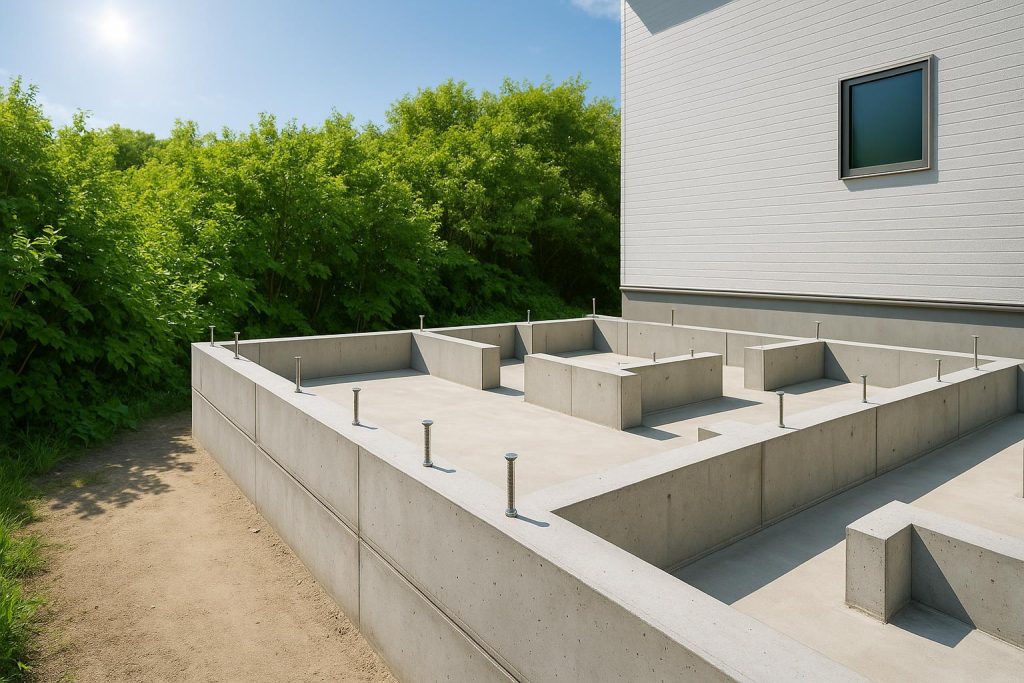
Eco-Friendly Waterproofing: Sustainable Solutions for Your Foundation
Finding the right waterproofing solution that safeguards your foundation while staying kind to the environment can seem challenging. Thankfully, a growing number of eco-conscious homeowners seek sustainable ways to protect their properties against water penetration and structural damage. From natural sealants to holistic exterior drainage strategies, there are numerous methods to help keep moisture away from your home without compromising on green values. In this comprehensive guide, you will learn about various non-toxic sealants, smart maintenance practices, and minimally invasive repair techniques that keep your foundation both eco-friendly and resilient.
Understanding Eco-Friendly Waterproofing
Eco-friendly waterproofing involves using materials and methods designed to keep environmental impact to a minimum. Conventional waterproofing can involve harsh chemicals, solvents, or extensive excavation—processes that can harm local habitats and produce unnecessary runoff or waste. By selecting water-based, low-VOC (volatile organic compound) products or adopting smart system designs, homeowners are able to protect their foundations in healthier, more mindful ways.
In many cases, eco-friendly solutions also last a long time. This durability helps reduce waste by avoiding frequent reapplications or repeated structural work, which in turn lowers the carbon footprint of your building’s overall maintenance. When you replace harsh materials with greener alternatives, you create a safer environment for your family, your pets, and your local ecosystem.
Key Benefits of Green Waterproofing Methods
Before diving into specific solutions, it’s valuable to understand why “green” measures can be so beneficial. Here are a few core advantages of eco-friendly waterproofing:
- Better Indoor Air Quality: Non-toxic sealants produce fewer fumes, which helps maintain healthier air inside your home.
- Reduced Environmental Footprint: By choosing sustainable materials and minimizing excavation, you reduce energy usage and conserve resources.
- Long-Term Cost Savings: Many green strategies, such as proper drainage systems, prevent future foundation issues. This can help you avoid costly repairs in the long run.
- Peace of Mind: Supporting eco-friendly practices allows you to protect your property without worrying about harmful chemicals.
Choosing Low-Impact Waterproofing Materials
When thinking about environmentally conscious waterproofing, the materials you use matter. Traditional sealants can contain harsh ingredients that emit toxins during and after application. By opting for low- or zero-VOC products, you immediately reduce the negative environmental effect. These types of sealants often rely on water-based formulas and natural additives rather than volatile chemical solvents.
The following are examples of low-impact products that can keep your basement or crawl space dry:
- Plant-Based Membranes: Certain manufacturers now produce membranes from renewable sources, cutting down on petroleum-derived ingredients.
- Natural Rubber Sealants: These are water-resistant yet free from many of the more dangerous chemicals found in petroleum-based systems.
- Water-Based Epoxy Coatings: Instead of traditional solvent-based applications, water-based epoxies emit fewer fumes and can still form an excellent moisture barrier.
While greener sealants may sometimes come at a slightly higher cost than conventional products, many homeowners find the improved air quality and reduced environmental risks worth the investment.
Reducing Excavation with Interior Repair Methods
Digging around a building’s perimeter is sometimes necessary for exterior waterproofing, but not every problem calls for large-scale excavation. This is where interior methods become a strong alternative. Interior solutions, such as specialized crack injections, can keep seepage out by sealing foundation cracks from within—limiting disruption to landscaping, local habitats, and soil structures.
One of the most efficient ways to manage cracks is to use a polyurethane or epoxy injection. For instance, foundation wall crack repair can be done from the interior, often requiring little more than small injection ports drilled into the affected concrete. By repairing your foundation from the inside, you can:
- Avoid the carbon footprint of hauling heavy machinery to your home.
- Reduce damage to landscaping and prevent disturbing the local ecosystem.
- Complete work faster, requiring fewer labor hours and less noise pollution.
Compared to older, excavation-heavy techniques, these minimal-disruption repairs help ensure your yard stays intact and limit potential drainage upheavals that might harm the environment.
Opting for Non-Toxic Interior Sealants
When sealing interior surfaces like basement walls or floors, it’s wise to look for products labeled as non-toxic. These sealants achieve the same waterproofing results but do not release large volumes of volatile organic compounds into your basement air. By prioritizing non-toxic solutions, families with children or pets can rest easy knowing they won’t be subjected to off-gassing or other hidden risks.
Sometimes, you can pair a low-VOC interior membrane with supporting drainage systems (like a perimeter drain or sump pump) to capture and channel away water before it causes damage. If you adopt these strategies early, they can also help prevent future foundation cracks, which may develop if your foundation remains exposed to ongoing moisture.
Smart Drainage and Landscaping Adjustments
One of the best ways to waterproof your foundation while keeping things eco-friendly is to address surface water at its source. By incorporating smarter drainage fixtures and natural landscaping techniques, you can ensure water flows away from the home. Remember, draining water responsibly can help protect your neighborhood from flooding, soil erosion, and contamination due to runoff.
Elements of an eco-friendly drainage system may include:
- Water-Sensitive Landscaping: Planting native species that thrive with local rainfall patterns and require minimal extra watering.
- Rain Gardens: These are shallow depressions in the yard designed to collect and filter stormwater, allowing it to soak into the ground instead of pooling around your foundation.
- Porous Surfaces: Permeable pavers, gravel, or stepping stones can help water seep into underlying soil, diminishing runoff.
For more insight into how water flow impacts a foundation, look at our related FAQ on how poor drainage affects foundation waterproofing. By controlling how water travels across your property, you are less likely to face moisture infiltration in the first place, which reduces your reliance on heavy-duty solutions later.
Interior vs. Exterior Waterproofing: Finding the Right Balance
Determining which approach is most eco-friendly depends on your specific goals and home layout. Exterior solutions often involve installing a physical barrier around the outside of your foundation, which can require excavation. Interior methods typically mean injecting or applying products from the inside. Both strategies can be done responsibly, but interior options usually come with less disruption. This is especially true if structural or crack injections are performed with non-toxic products.
If you need more detail on the distinction between these two approaches, see our FAQ on the difference between interior and exterior waterproofing. A trained professional can also offer advice that takes your unique soil conditions, foundation type, and budget into account, helping you find the right combination of approaches.
Maintenance: A Core Piece of Eco-Friendly Foundation Care
Even if you find the best green waterproofing system, it is crucial to maintain it properly. Responsible maintenance plays a major role in preventing water damage and extending the life of your foundation. Proper upkeep also avoids wasted materials and repeated repairs, which translates to a lower carbon footprint overall.
Here are some maintenance tips:
- Clean Gutters and Downspouts: Debris clogs cause rainwater to overflow and pool near your foundation. Clearing them regularly helps direct water away from your home.
- Check Perimeter Drains: If you have a perimeter drain or French drain, make sure it remains clear of sediments.
- Schedule Routine Inspections: A qualified technician can spot any early signs of cracks or water infiltration, allowing for quick, minimally invasive fixes.
By staying on top of these tasks, you reduce the chance that small issues escalate into bigger problems, keeping your home and the environment well-protected.
Confirming Product Quality and Performance
Whether you choose to apply a natural rubber membrane or use water-based epoxy, research the product to ensure its overall performance. Look for certifications confirming the product’s eco-friendly credentials, such as low emissions or sustainable sourcing. Additionally, read reviews to confirm it performs well under real conditions. A product that quickly fails may need frequent reapplication, defeating its sustainability benefits.
Remember that durability is a crucial aspect of eco-friendly materials. The less often you need to re-apply or upgrade your solution, the less waste you generate. Selecting a high-quality, tested product is an investment that saves you money and resources in the long run.
How Professional Services Contribute to Eco-Friendliness
While some homeowners attempt a do-it-yourself approach, hiring a professional can help reduce mistakes and material waste. By using advanced tools and knowledge, a skilled technician can pinpoint the root cause of water infiltration, then select the most efficient fix. If you are curious about professional methods, consider reading our FAQ on how professionals seal foundations for better water protection. That article describes the importance of correct product application and thorough site analysis, both of which increase the odds of a successful, long-lasting repair.
Professional services are also well-versed in non-invasive procedures. By focusing on methods that minimize site disturbance—such as interior crack injections—they help keep your yard intact and reduce potential ecological damage. Furthermore, reputable contractors often stand by their work with warranties that reflect confidence in eco-friendly products.
Minimally Invasive Repair: A Real-World Example
When a hairline crack or minor leakage appears, you want to address it before it worsens. Enter interior crack repair, which can be as simple as drilling small ports and filling the crack with polyurethane or epoxy. This technique prevents water from passing through the foundation while forming a flexible seal that can accommodate slight foundation shifts over time. These repairs are effective for both older homes and modern builds. In many cases, a minimal intervention spares you the disruption of hauling excavators or large crews—a win for your home life and the planet.
For structural concerns, structural foundation repair methods might be needed. Even these can be carried out responsibly with materials that prevent future deterioration and keep harmful chemicals out of surrounding soil.
Balancing Eco-Friendliness with Durability
At times, people worry that choosing greener products might mean sacrificing durability. However, many low-VOC membranes, water-based epoxies, and natural sealants are tested under rigorous conditions. They often hold up well, provided you follow the manufacturer’s instructions and rely on proper installation. Do remember that even top-tier eco-friendly systems need ongoing inspection and maintenance, just as conventional systems do.
If you are concerned about how long your green waterproofing might last, consider reading our FAQ on how long a typical waterproofing solution lasts. Lifespan can vary based on product type, climate, and the quality of installation, but many solutions now rival or surpass their traditional counterparts in terms of longevity.
Recognizing When You Need Waterproofing
Not every foundation crack or damp spot signals an urgent environmental threat, but ignoring moisture issues can lead to further damage. If you see repeated leaks, smell musty odors, or notice increased humidity in your basement, you may need a waterproofing upgrade. Watch for visible cracks, flaking or peeling walls, and evidence that water seeps in after rainfalls. For a more detailed rundown, read our guide on common indicators that foundation waterproofing is needed. Early detection and intervention let you apply eco-friendly fixes before structural problems escalate.
Tying It All Together for a Healthier Planet
Eco-friendly waterproofing isn’t about a single product—it’s about a balanced strategy that combines non-toxic materials, smart construction, and ongoing maintenance. If you’re looking to lessen your environmental impact, focus on steps like installing sustainable drains, sourcing green sealants, and practicing responsible upkeep. Small changes in your home’s water management can have a considerable effect on the health of your local ecosystem.
At the same time, remember that a strong, dry foundation is key to preserving your home’s structural integrity. They don’t have to be mutually exclusive—when you embrace eco-conscious choices, you can enjoy lasting protection without creating unnecessary harm. It’s possible to have peace of mind while making decisions that benefit both you and the planet.
Considering Professional Guidance
If you have questions about applying eco-friendly sealants to your home or need assistance preventing leaks, reaching out to an expert team can provide clarity. Skilled professionals can help you select appropriate materials, gauge your tolerance for any potential excavation, and plan the best route toward a long-term green solution. Some services, like basement floor crack repair or commercial and industrial cracked floor repair, can be completed with minimal waste and responsibly sourced materials.
Likewise, if you have tried to patch up water seepage on your own and it keeps returning, scheduling a professional assessment might be the best course of action. By addressing the main issues with the help of trained technicians, you stand a better chance of sealing your foundation for good—and doing so in an eco-friendly manner.
Eco-Friendly Waterproofing: A Win-Win Choice
By selecting green materials, optimizing your home’s drainage, and practicing proactive maintenance, you can keep your foundation secure while embracing the values of environmental stewardship. Over time, your house remains free from damaging leaks, interior air quality is improved, and even local wildlife enjoys fewer disturbances caused by disruptive excavation projects. It’s an example of how thoughtful homeownership can have ripple effects that go beyond just one household.
To learn more about the ways eco-friendly and conventional techniques can work together, explore our FAQ on the role of foundation coatings. Ultimately, being mindful of your waterproofing choices benefits your comfort, your wallet, and the planet we all share.
Next Steps: Protecting Your Foundation and the Environment
Ready to explore eco-friendly waterproofing options for your home? You can start by assessing problem areas, researching non-toxic sealants, and improving exterior drainage. If you decide you need professional input, many contractors now offer solutions that focus on minimal environmental impact, from interior crack injections to the use of advanced membranes. By choosing these methods, you stay ahead of water problems while preserving the environment around your property.
If you’d like more information about eco-friendly solutions, or if you suspect your foundation may already be compromised, consider contacting a repair specialist. For instance, CrackPros provides foundation wall crack repair that can protect your home while limiting environmental disturbance. Whether it’s a small leak or a larger structural concern, knowledgeable guidance saves you time, money, and unnecessary harm to the planet.
Your home’s foundation can be both secure and sustainable. By blending green materials with thoughtful design, maintenance, and professional support, you’ll create a sturdy barrier against moisture that respects nature as much as it shields your property. As you explore lesser-known sealants, better drainage strategies, and proven minimal-disruption repair methods, you’ll discover that eco-friendly waterproofing is a real opportunity to make a positive, lasting impact on both your home and the environment.


