
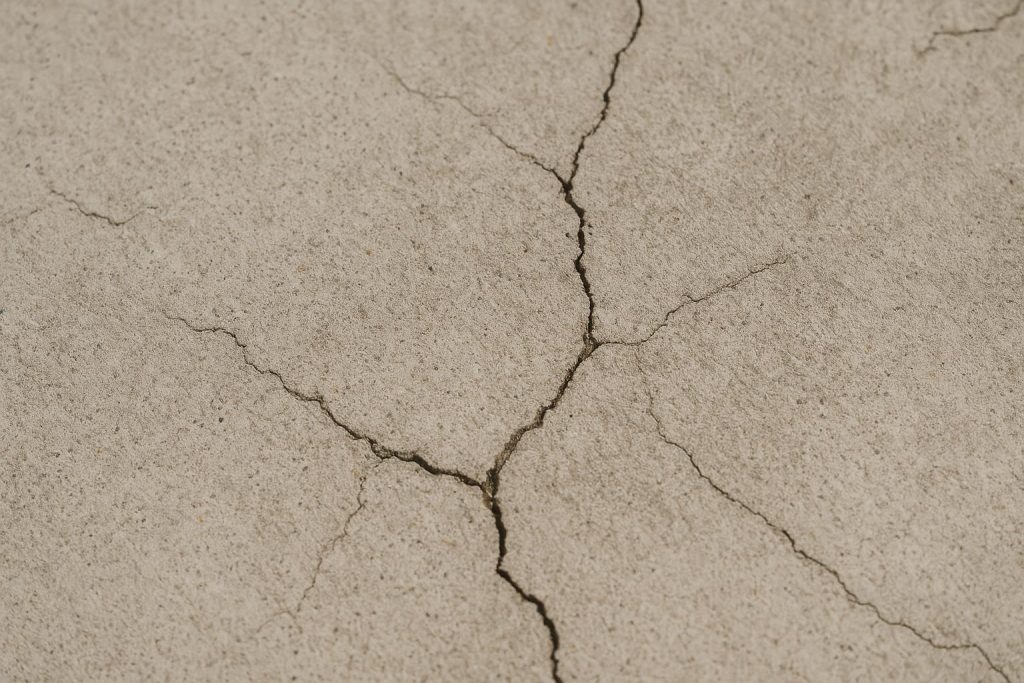
Proactively Addressing Small Concrete Cracks
Concrete surfaces are built to endure a wide range of pressures and environmental conditions. From patios and driveways to basement floors, concrete is engineered to be durable and strong. Yet, even a well-installed slab can develop small cracks over time. When these cracks first appear, many people wonder if they can simply ignore them, especially when they seem too minor to warrant immediate attention. However, small cracks in concrete can grow into bigger issues if left unaddressed. This article delves into why small cracks form, common progression risks, and how proactive measures—including sealing—offer a cost-effective way to preserve the stability and value of your property.
Understanding the Nature of Concrete Cracks
Concrete, despite its strength, is not immune to tension and shrinkage. Some hairline cracks appear naturally; they can result from the curing process or minor shifts in the underlying soil. In many cases, these cracks are relatively harmless at the beginning. However, the trouble lies in the potential for cracks to widen and deepen. As moisture sneaks in, freeze-thaw cycles can cause expansion within the crack, further weakening the concrete. Over time, hairline fractures can morph into noticeable splits that undermine the surface’s integrity.
To explore more about the factors that cause cracks in the first place, consider reading What are the common causes of cracks in concrete surfaces?. Gaining insight into initial causes can help property owners recognize that even subtle changes in climate, soil conditions, or traffic loads may lead to seemingly harmless fractures.
Why You Shouldn’t Leave Small Cracks Untreated
Leaving small cracks untreated can be tempting. After all, they might be barely visible or located in an area you rarely see, such as a seldom-used corner of the basement. Still, neglecting these tiny flaws can result in various issues, including:
- Moisture Intrusion: Water can easily enter small openings, eventually penetrating deeper into the concrete. In climates with freezing winter temperatures, trapped water may freeze, forcing the crack to expand and damaging the concrete from within.
- Compromised Structural Integrity: Even if the initial crack is mild, repeated stress from heavy loads or shifting soil can exacerbate it and compromise the slab or foundation’s overall stability.
- Mold and Mildew Growth: Where water seeps in, mold can thrive. Over time, mold or mildew growth can affect air quality and cause potential health concerns.
- Costly Future Repairs: Repairing an advanced crack or addressing collateral damage such as spalling concrete can become far more expensive than dealing with a minor crack at its earliest stage.
If you’re curious about the specific risks that cracks pose in a basement or lower-level environment, have a look at What are the risks of ignoring wall cracks in a basement?. Leaving cracks unchecked in basement walls or floors may lead to moisture problems, structural weaknesses, and additional repair expenses.
Warning Signs of Further Deterioration
Even small crevices can signal larger underlying issues if you notice any of these red flags:
- Widening or Spreading Cracks: If you see a crack getting wider, deeper, or branching into additional splits, it’s time to consult a specialist.
- Water Stains or Deposits: Brownish or white mineral deposits around cracks can indicate repeated water ingress.
- Flaking or Spalling Concrete: Concrete surfaces that start to flake away near the crack suggest weakening integrity. If spalling is already visible, consider Spalling Concrete Repair services for a thorough, long-lasting solution.
- Uneven Surfaces: Concrete that shifts or becomes uneven near the crack could indicate soil settlement or more serious foundation-related concerns.
Detecting these warning signs can be relatively straightforward when you perform routine inspections. The earlier you identify the symptoms, the more cost-effective the fix. You can learn more in How often should concrete crack checks be performed on a property?.
Common Causes of Small Cracks
A range of factors can lead to the formation of small cracks in concrete surfaces. Often, multiple triggers act simultaneously. These include:
- Thermal Expansion and Contraction: Day-to-night temperature swings can cause concrete to expand and contract. Over time, these repeated movements form stress cracks. If you want more details on climate’s impact, be sure to read How does temperature change contribute to concrete cracking?.
- Settling Soil: If the soil beneath a concrete slab is not well-compacted or erodes over time, the uneven support can lead to cracks.
- Poor Installation: Inadequate curing techniques, incorrect concrete mixes, or insufficient reinforcement can create conditions where cracking is more likely.
- Heavy Loads: On driveways and garage floors, trucks, SUVs, or equipment can place significant stress on the surface, magnifying tiny fractures.
Understanding the cause lets you decide how best to treat or seal a crack. Avoiding repairs is seldom advisable because the underlying reason will continue to affect the concrete, potentially leading to bigger or new cracks over time.
How Crack Sealing Helps “Prevent Future Damage”
“High-Quality Repairs,” such as sealing or injection methods, address the immediate crack and hinder water infiltration that accelerates deterioration. Even small fissures benefit from “Advanced Crack Injection Techniques,” including polyurethane or epoxy injections designed for lasting results. By proactively sealing cracks, you also reduce the risk of mold growth or further structural damage. When you take a “Cost-Effective” approach early, you minimize the odds of needing extensive repairs in the future. Detailed information on sealing as a water deterrent can be found under How can crack sealing help prevent water leaks?.
Sealing vs. Filling: Knowing the Difference
Property owners often confuse sealing with filling. While both can address concrete cracks, they differ in application, materials, and long-term performance:
- Sealing: Crack sealing involves using flexible, water-resistant materials that bond with the sides of the crack, fully preventing moisture intrusion. This method offers great durability and can adapt better to minor structural shifts.
- Filling: Crack filling typically uses a more rigid material that doesn’t accommodate the same range of movement. It may be sufficient for low-pressure, low-moisture areas, but is not always the best option for cracks in foundations or load-bearing areas.
If you’re uncertain which approach to take, you can read more in What is the difference between crack sealing and crack filling?. Aligning the right technique with the specific crack type can lead to more reliable, longer-lasting results.
Choosing the Best Materials
Addressing a minor crack effectively takes more than simply picking up a commercial filler at a local hardware store. The long-term performance of repairs often depends on choosing suitable materials. Epoxy injections, for instance, fuse the crack edges and restore structural strength, whereas polyurethane injections create a waterproof barrier that’s flexible enough to accommodate slight movements. Discover more about the array of products available and their advantages under What materials are typically used for sealing concrete cracks?.
Concrete repair products have advanced significantly, making it possible to gain “Durable, Reliable Results” without resorting to invasive methods. High-quality repair materials and “Transparent Pricing” from a reputable contractor help ensure a positive experience and robust outcome.
Applying a Preventive Approach
Even though these cracks appear small, a preventive approach saves you time, money, and aggravation in the long run. By addressing minor cracks as soon as possible, you “Prevent Future Damage,” such as advanced deterioration that can weaken the slab or foundation. Professional inspections can identify issues early and guide you toward optimal solutions.
Regular property maintenance also includes monitoring drainage around your home, ensuring rain gutters direct water away from concrete surfaces, and spots prone to standing water. When drainage is poorly managed, concrete surfaces remain damp longer, creating the perfect environment for cracks to worsen. Conversely, consistently good drainage keeps water away from potential fissures.
Commercial and Residential Solutions
Small cracks can occur in driveways, garage floors, basements, patios, or commercial floors. In a commercial or industrial setting, even minor cracks can pose a safety risk or hamper daily operations. Whether a small crack is in your basement floor or the floor of a busy warehouse, the same basic principles apply: “High-Quality Repairs” done early can prevent more serious structural complications and keep the area safe and functional.
- Basement Floors: Cracks here can be an early glimpse of broader foundation concerns or water infiltration. For more targeted insights, consider Basement Floor Cracks repair solutions.
- Spalling Concrete: Spalling describes chipping, flaking, or crumbling concrete surfaces. When cracks accelerate spalling, specialized Spalling Concrete Repair can revitalize the surface and extend its service life.
- Garage Floors: Heavy vehicles may intensify the damage caused by a seemingly small crack. Addressing it quickly can help avoid large-scale slab replacements. Learn more about Garage Floor Repair if you notice or suspect evolving damage.
In each scenario, addressing a small crack early guards against bigger headaches later. Typically, the repair process is straightforward and can be completed swiftly with minimal disruption to daily life.
Environmental Considerations
Some property owners worry about the environmental impact of repair materials. Fortunately, many “Cost-Effective Solutions” now use formulations that are safe to handle, low in harmful volatile organic compounds (VOCs), and friendly to the environment. You can learn more about green practices and eco-friendly sealing methods in Are there environmentally friendly solutions for crack sealing?.
By choosing sustainable materials and refraining from unnecessary excavation, repairs can be completed with minimal disturbance to landscaping and local habitats, while still offering you “Durable, Reliable Results.”
Steps to Take When You Spot a Small Crack
- Inspect the Area: Note any changes in crack width or depth, as well as signs of moisture or spalling.
- Assess Potential Causes: Check for poor drainage, temperature fluctuations, or excessive weight, all of which could contribute to cracking.
- Consider Professional Advice: Consulting an expert can help determine whether sealing or injection is most appropriate. Expert guidance offers “Advanced Crack Injection Techniques” targeted at your unique situation.
- Choose Long-Lasting Products: Prioritize materials such as epoxy or polyurethane. Remember that choosing the right product not only fixes the current crack but also helps prevent future issues.
- Follow Up Regularly: Even after a successful repair, minor cracks should be monitored to ensure the seal remains intact.
When handled diligently, small cracks remain manageable. Finding “Cost-Effective Solutions” does not mean cutting corners. Instead, it means focusing on the root causes and selecting materials that will stand the test of time.
Why Routine Maintenance Matters
The simplest way to avoid expensive renovations is to maintain your concrete surfaces. Conduct routine inspections and address cracks when they’re still in the minor stage. While many people assume that only older structures develop cracking, newly constructed properties can also form fissures if the ground underneath was not prepared correctly or if temperature swings stressed the fresh concrete too soon.
Scheduling routine crack checks throughout the year helps you stay ahead of issues well before they escalate. This diligence can also come in handy for property values, as prospective buyers often want assurance that the building’s foundation and concrete surfaces are in good shape. A record of consistent maintenance can demonstrate that a property has been cared for and free of neglected damage.
The Role of Professionals
While certain superficial cracks can be tackled by confident DIYers, sometimes expert intervention is the safer bet, especially if the crack appears to be growing, or if you observe structural complications. Professional service providers typically offer the following benefits:
- Comprehensive Assessment: Experts can identify subtle signs of bigger issues, ensuring no underlying problems remain unresolved.
- “Transferable Lifetime Guarantee” on Non-Structural Repairs: Many professionals stand behind their work, giving you peace of mind and potentially raising property value if you ever decide to sell.
- “Transparent Pricing”: Trustworthy providers will detail the costs involved, so you know you’re paying for the repairs you genuinely need.
- Professional Equipment and Training: Complex injection methods require specialized tools, plus the know-how to use them safely and correctly.
A professional approach is often crucial if the crack is located in a key part of your home’s foundation walls. For example, Foundation Wall Crack Repair can be critical if water infiltration or structural concerns have started. Experts who use “Advanced Crack Injection Techniques” can help you solve the issue thoroughly.
When to Seek an Expert Opinion
Although do-it-yourself fixes might appear cost-effective at first, certain visual or structural cues mean it’s time to consult someone who has in-depth knowledge:
- Cracks Wider Than 1/8 inch: Any crack that grows beyond a hairline is worth professional evaluation.
- Evidence of Water Seepage: Wet or humid spots indicate a possible water intrusion link to the crack.
- Accompanying Foundation Gaps: If nearby walls or floors also show separation or misalignment, a more serious issue could be developing.
- Repeated Repairs: If a crack has been repaired before and continues to reopen, it may need a more comprehensive method.
Remember that professionals offer an accurate diagnosis, “High-Quality Repairs,” and typically provide a “Transferable Lifetime Guarantee” for non-structural fixes. That is often reason enough to trust experienced guidance.
Final Thoughts
Small cracks in concrete are rarely just cosmetic. Overlooking them can lead to unwanted water leaks, mold growth, further structural strain, and expensive long-term repairs down the line. By acting quickly with a well-informed approach—like using the right injection material, ensuring proper drainage, and conducting regular inspections—you’ll extend the lifespan of your concrete and keep your property intact.
Should you notice even minor cracks in your basement floor, outdoor patio, or garage slab, it’s wise to investigate and take preventive measures right away. Seeking “Cost-Effective Solutions” doesn’t equate to subpar fixes. On the contrary, modern injection techniques, combined with a reputable service provider offering “Transparent Pricing,” are often the most dependable route to “Durable, Reliable Results.”
For those dealing with recurring cracks, more complex foundation concerns, or who simply prefer an expert assessment, do not hesitate to contact a professional. Properly sealed and maintained concrete not only enhances the safety and appearance of your property but also helps prevent future damage that can cut into your budget over time. When in doubt, consult with experts who stand by their work and provide a framework—like a “Transferable Lifetime Guarantee”—that underscores their confidence in the quality of repairs.
In the end, small cracks can be effectively managed, but they should not be ignored. By giving these issues prompt attention, you protect your investment and ensure a safer, healthier environment for years to come.


