
Understanding When to Choose Epoxy or Polyurethane for Your Foundation Crack
Foundation cracks are a common concern among homeowners, commercial property managers, and anyone responsible for maintaining a stable structure. Inspecting a crack and deciding on the right repair material often feels daunting, especially if it’s your first time dealing with concrete damage. In many cases, you’ll be left wondering whether epoxy might better suit your needs or if expanding polyurethane foam is the best bet. This guide dives deep into the differences between epoxy and polyurethane injections, the importance of identifying structural vs. non-structural issues, and what you can do to maintain a stable foundation. By the end, you’ll have a thorough understanding of when to select epoxy, when polyurethane is ideal, and how to achieve long-term success with either.
Why Foundation Cracks Occur
Before deciding on the best crack injection method, it helps to understand why cracks appear in the first place. Foundation cracks may stem from a variety of causes:
- Natural Settling: Most buildings settle over time, which can cause hairline cracks to appear in walls or floors.
- Soil Movement: Expansive soils beneath the foundation expand when wet and contract when dry, creating pressure against your walls or slab.
- Temperature Changes: Freeze-thaw cycles are common in colder climates, causing the concrete to expand and contract, sometimes leading to cracks.
- Excessive Moisture or Poor Drainage: When water collects around the foundation, it can increase hydrostatic pressure and stress the concrete.
- Construction Practices: In some homes, improper concrete cures or inadequate rebar reinforcement can also lead to vulnerability and eventual cracking.
While some foundation cracks are purely cosmetic, others can be warning signs of a deeper structural issue. Determining which category your cracks fall into can help you figure out whether you need a repair method geared toward structural reinforcement or one mainly aimed at preventing water intrusion.
Identifying Structural vs. Non-Structural Cracks
When you see a crack, consider its size, shape, and whether it’s causing other changes to your home. Below are indicators that help categorize foundation cracks:
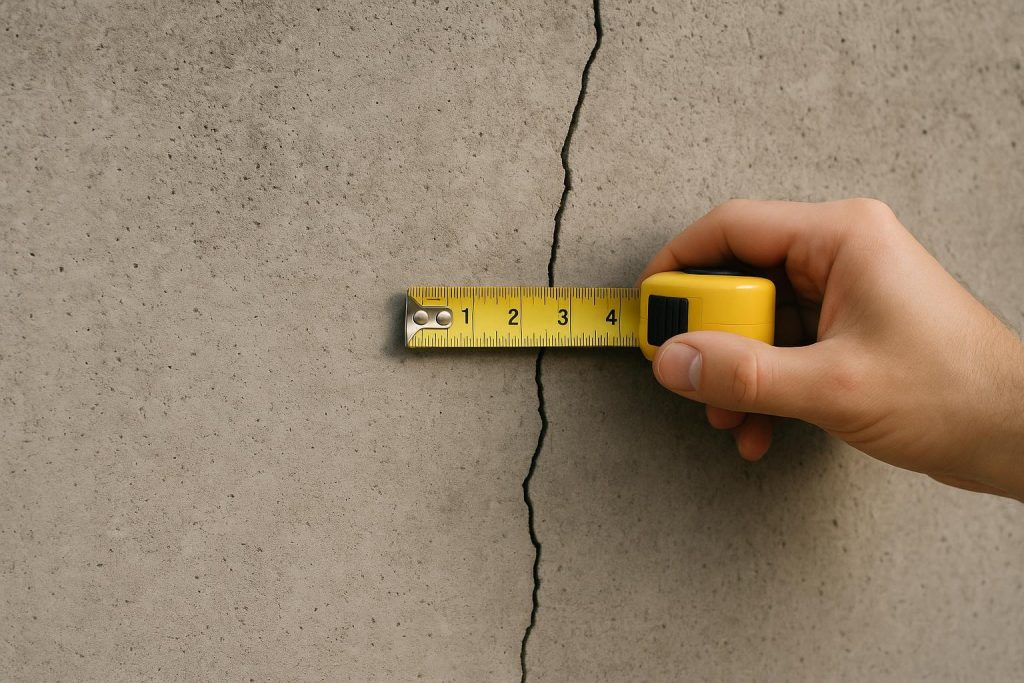
- Structural Cracks: Typically wider than 1/8 inch and sometimes accompanied by bowing walls, uneven floors, misaligned doors, or windows that stick. These cracks may grow over time, suggesting potential load-bearing implications. Structural cracks often call for repairs that restore or improve the concrete’s strength. Epoxy injection can be valuable here, as it bonds both sides of a crack to reestablish the wall’s uniform integrity.
- Non-Structural Cracks: Usually hairline or narrower and do not present immediate concerns about foundation stability. They’re sometimes caused by normal settling, shrinkage during concrete curing, or minor fluctuations in soil moisture. In these cases, polyurethane injection works well to keep moisture out and to seal the crack long term.
If you’re seeing or suspecting a heavy water leak, bear in mind that many apparently non-structural cracks can still allow water intrusion over time. Stopping leaks promptly is vital, even if the crack isn’t threatening the building’s load-bearing capacity. For insight into sealing interior foundation cracks to prevent water intrusion, you may want to read our FAQ, Does sealing interior foundation cracks help prevent water intrusion?
Epoxy Injection Basics
Epoxy injection is often viewed as the go-to solution for cracks with structural significance. Epoxy is a high-strength resin that is injected into the crack under pressure. Once it cures, it transforms into a rigid, solid bonding agent, effectively tying the crack surfaces together. Here are key highlights of epoxy injection:
- Structural Enhancement: Because epoxy dries hard and strong, it effectively binds the crack, reinforcing the surrounding concrete. This makes epoxy a popular choice for cracks related to bowed walls or signs of shifting.
- Rigid Repair: Epoxy does not flex once hardened. If the foundation moves after injection, additional cracks can form adjacent to the repaired area. That’s why it is best for cracks where further significant movement is unlikely.
- Slower Cure Times: Epoxy usually takes longer to cure than polyurethane. This can be helpful because it allows deeper penetration into the crack, but it may slow the overall repair process slightly.
- Ideal for Horizontal and Vertical Cracks: Epoxy injection can handle cracks at various angles, making it versatile for a range of structural repairs.
For more complicated structural damage, such as large cracks threatening your foundation’s overall integrity, consult a skilled foundation repair professional. They may recommend additional reinforcement, like carbon fiber straps, stitching, or other advanced techniques, alongside epoxy. You can learn more about advanced structural approaches on our Structural Foundation Repair page.
Polyurethane Injection Basics
Polyurethane is a flexible, expanding foam injection used primarily for sealing water leaks and preventing moisture intrusion. Designed to fill voids within the crack, polyurethane expands as it cures, effectively blocking any pathway for water. Key advantages include:
- Waterproofing Power: Polyurethane foam’s expansion capability creates a tight seal within the crack, hindering future leaks from seeping through.
- Flexibility: Once cured, polyurethane retains an elastic quality that accommodates minor foundation movements or additional settling. This is particularly beneficial in climates with dramatic freeze-thaw cycles.
- Faster Cure Time: Polyurethane typically hardens faster than epoxy, enabling a quicker turnaround for smaller or more routine crack repairs.
- Cost-Effectiveness: Polyurethane injection is often simpler when dealing with hairline cracks and can prove a wallet-friendly solution if your main worry is blocking water entry.
While polyurethane is perfect for leaks, it doesn’t always provide the same structural anchoring that epoxy does. If your cracked wall is bowing or otherwise compromised, you may need a method of reinforcement in tandem with polyurethane. When standing water or active leaks are evident, adhesives like polyurethane can be a lifesaver by quickly sealing the crack and preventing further moisture. For more specific information on water-related cracks, see our dedicated Actively Leaking Cracks page.
Epoxy or Polyurethane? Making the Right Call
So how do you decide if a foundation crack needs epoxy or polyurethane? There are three big things to consider:
- Structural Relevance: If the crack shows significant width, irregular shape, or is part of a wider pattern of structural distress (bowed walls, floor misalignment, etc.), epoxy is preferable. It helps re-establish the crack’s load-bearing ability by acting like a super-strong binder.
- Water or Moisture: Hairline cracks or those that consistently seep water are prime candidates for polyurethane foam. The foam’s expansion and flexibility offer a reliable way to keep interiors dry while adapting to minor shifts. If you’re worried about ongoing leaks, it’s often wise to start with polyurethane injection to prevent damage to your basement or living area.
- Combination Approach: Sometimes, you might want the best of both worlds. For cracks that have both structural and water concerns, it’s possible to use epoxy first to restore strength and follow up with polyurethane injections around the same fracture or in adjacent pathways to ensure watertight protection.
A well-informed assessment of your foundation cracks ensures the right solution is applied from the start, saving you time, money, and future headaches. If you’re uncertain about the severity of your foundation issue, a professional inspection can be a game-changer. Experts can identify early warning signs or ongoing problems that might not be obvious at first glance.
Addressing Concerns About Spalling and Other Surface Damage
Many homeowners worry about concrete spalling (surface flaking or crumbling) and question whether simply sealing the crack is enough. If the crack is a precursor to spalling or indicates compromised concrete, you can read our in-depth sibling FAQ, Is foundation crack sealing enough to prevent concrete from spalling over time? While epoxy or polyurethane injections can certainly help maintain the structural integrity and keep water at bay, additional measures like applying a protective coating or addressing the root cause of moisture may be required for an all-encompassing fix. In some cases, you might consider Spalling Concrete Repair for advanced surface deterioration.
Beyond Epoxy and Polyurethane: A Look at the Materials
If you’re curious about the specific ingredients used in foundation crack sealing, you can examine our sibling FAQ, What materials are typically used for foundation crack sealing? Understanding key differences—such as injection pressure, viscosity, and cure time—can help you feel more confident about the repair process. Knowing what’s going into your walls or floors is valuable, especially if you want a repair with maximum durability and minimal risk of failure down the road.
The Role of Non-Invasive, Interior Repairs
One of the primary advantages of epoxy and polyurethane injections is that they can be administered from inside your home, eliminating the need for excavation or heavy machinery. This approach has numerous benefits:
- Little to No Landscaping Disruption: Your yard, driveway, or garden remains intact.
- Cost-Effective Solutions: Because there’s no digging, labor costs are often lower, and the overall process is less complex.
- Direct, Targeted Sealing: Interior injections tackle the crack at the source, ensuring thorough penetration and sealing.
- Faster Project Completion: Most interior crack repairs finish in a day or two, making it a quick fix compared to extensive exterior excavation.
These benefits reflect why many professionals and reputable foundation repair companies champion the injection approach. It’s a straightforward, proven method to address a variety of concerns without turning your property into a major construction zone.
Possible Symptoms of Water Intrusion
Concerned about water infiltration? Here are common signs your basement or foundation may be taking on water through cracks:
- Unexplained dampness or wet patches on interior walls.
- A musty or moldy smell in the affected area.
- Standing water or puddles near cracks after rain.
- Efflorescence (white, powdery deposits) on the concrete surface.
If you’re observing any of these red flags, consider scheduling a repair sooner rather than later. Delaying can make the problem worse, leading to increased mold growth, potential spalling, and other structural complications.
Maintenance Tips After Repair
Whether you’ve chosen epoxy injection, polyurethane injection, or a combination of both, it’s wise to follow some basic maintenance tips to keep your foundation in good condition:
- Monitor the Crack: Keep an eye out for changes in width, length, or newly developing cracks nearby.
- Maintain Adequate Drainage: Ensure gutters are clean, downspouts direct water away from the house, and exterior grading slopes away from the foundation.
- Check Landscaping: Avoid trees or large shrubs too close to the foundation, as roots can disturb soil conditions, affecting stability.
- Address Moisture Sources: Fix any plumbing leaks or poor interior ventilation that contribute to humidity or dampness.
- Periodic Professional Inspections: Have a foundation expert conduct an occasional inspection to catch new cracks or potential issues early.
Staying vigilant ensures you’ll identify minor issues before they develop into major headaches. If new cracks do emerge or if you’re unsure about how well an existing repair is holding up, don’t hesitate to reach out. Most reputable providers back their work with warranties, and many will offer follow-up guidance. When you’re in doubt, it’s best to confirm whether an earlier repair still meets your needs or if further reinforcement is beneficial.
Common Misconceptions
A few misunderstandings can complicate your decision process regarding epoxy or polyurethane:
- Assumption of One-Size-Fits-All: Some might believe all cracks stand to benefit from the same repair. In reality, materials and techniques vary based on the crack’s origin and function (structural vs. water control).
- Overlooking Water Intrusion: A hairline crack that occasionally trickles water can cause far more damage than you’d think. Ignoring small leaks can lead to mold growth, rotted framing, and basement damage over time.
- Expecting a Quick Fix for Major Structural Problems: While epoxy injection may restore a degree of stability, advanced structural repairs—like carbon fiber reinforcement—may be equally crucial if there’s extensive damage.
- Confusing Rigid Bonds with Permanent Solutions: A rigid epoxy injection can break if the foundation moves significantly. If you suspect ongoing ground shifting, consult a professional who can recommend either flexible polyurethane or a more comprehensive reinforcement plan.
When to Seek Professional Advice
While some minor cracks can be assessed by a homeowner, others warrant immediate professional intervention. Consult an expert if:
- You see cracks larger than 1/8 inch wide, especially if they’re growing.
- The walls are visibly bowed or there’s a notable shift in the foundation.
- Doors and windows are out of alignment or won’t close properly.
- Water is seeping in steadily, leaving puddles or fostering mold.
- Any previous DIY repairs begin to fail and the crack reopens.
Foundation specialists can diagnose not only the immediate crack but also any related underlying concerns, ensuring you don’t merely seal the surface while ignoring a deeper problem. For previously repaired cracks that are giving you issues again, our Previously Repaired Cracks page discusses the best steps to fix them correctly.
Related FAQs to Explore
- Does sealing interior foundation cracks help prevent water intrusion?
- Is foundation crack sealing enough to prevent concrete from spalling over time?
- What materials are typically used for foundation crack sealing?
Each of these topics sheds light on extended questions you might have about moisture intrusion, spalling damage, or general crack-sealing products. By tapping into these resources, you’ll gain a more complete panorama of foundation care.
Final Thoughts
Choosing between epoxy and polyurethane for a cracked foundation hinge on whether you need robust reinforcement to restore structural integrity or a waterproof seal to combat leaks. Epoxy excels at bonding and stabilizing significant structural cracks, whereas polyurethane creates a flexible, watertight barrier that’s ideal for addressing leaks in hairline or non-structural splits. In fact, many situations call for a hybrid approach when cracks threaten both your foundation’s strength and dryness. Understanding your crack’s characteristics, including location, size, and the presence of water, will help determine which method best serves you in the long run.
For homeowners who value peace of mind, opting for a trusted foundation repair service that provides transparent pricing and cost-effective solutions can help you safeguard your biggest investment. Should you want to explore the benefits of interior crack repairs, you can visit our primary Foundation Wall Crack Repair page for more details. And if you sense your cracks might need more than just a simple leak seal—like additional stability measures—our 10-Year Warranty on structural foundation repairs ensures improved protection for the lifetime of your property. Remember, a well-sealed foundation that stays dry and structurally intact means fewer major repairs down the line, better indoor air quality, and a more comfortable home environment.
If you have additional questions, don’t hesitate to reach out to your local experts or discuss the concerns you see around your floors and walls. Whether you opt for epoxy or polyurethane, rest assured these advanced crack injection techniques stand among the most durable, reliable ways to prevent future damage and preserve your home’s value for years to come.


