
How do freezing temperatures affect masonry cracks?

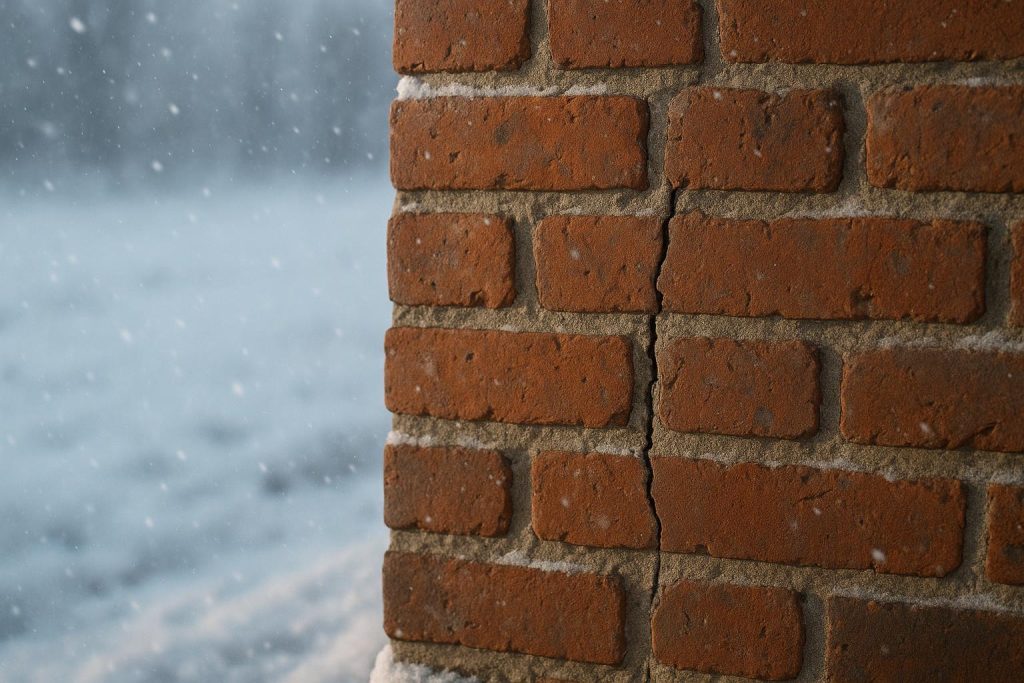
Snowy brick wall showing a small masonry crack worsened by freezing temperatures.

Understanding the Impact of Freezing Temperatures on Masonry Cracks

Freezing temperatures can significantly affect masonry cracks, often exacerbating existing damage. When water enters these cracks and freezes, it expands, causing the cracks to widen over time. This freeze-thaw cycle can lead to further deterioration of the masonry, compromising the structural integrity of your home.

To mitigate these effects, it is crucial to address crack issues promptly. Solutions such as advanced injection methods can help stabilize the affected areas from within. These techniques provide a robust masonry crack solution that reduces the need for extensive exterior repairs.

For comprehensive repair services, consider reviewing our Foundation Wall Crack Repair offerings. By tackling the problem early, you prevent further damage and maintain your home’s stability.

Related FAQs

Protecting Your Foundation from Moisture Without Major Excavation Many property owners worry that foundation waterproofing always requires digging up their yard to reach the exterior walls. While there are instances where exterior work is necessary, many modern waterproofing methods can effectively address leaks from the inside, drastically reducing the need for excavation. In fact, advanced […]

Understanding Foundation Cracks Many homeowners wonder how many cracks in a foundation might be considered normal. In truth, there is no set “magic number,” as each home and soil condition can vary. It is common for new concrete or recently poured foundations to develop one or two small, hairline cracks over time. These often occur […]

Concrete Cracking in Cold Weather: What You Need to Know Many property owners wonder if concrete can crack in cold weather, especially in regions with intense freeze-thaw cycles. The short answer is yes: extreme temperature changes and moisture fluctuations can weaken concrete, making it more susceptible to cracking. When water seeps into the surface of […]

Essential Steps for Building Load Testing Ensuring a building can safely bear its intended loads is critical for both structural stability and the safety of occupants. Load testing consists of applying controlled, incremental loads to specific sections of a structure to determine whether they can handle real-life conditions. When you are wondering how to load […]

Understanding Exterior and Interior Waterproofing Methods Many property owners ask, “What’s the difference between exterior and interior foundation waterproofing?” Both strategies aim to prevent water intrusion and damage, but the way they achieve this goal varies significantly. Exterior waterproofing involves excavating around the foundation walls to install barriers and drainage systems on the outside. Although […]

Eliminating That Damp, Musty Smell with Effective Foundation Waterproofing A persistent damp or musty odor in your basement or crawl space often indicates excess moisture, commonly caused by water seeping through cracks or gaps in the foundation. When your foundation allows water to enter, it increases humidity levels, which can promote the growth of mold […]