
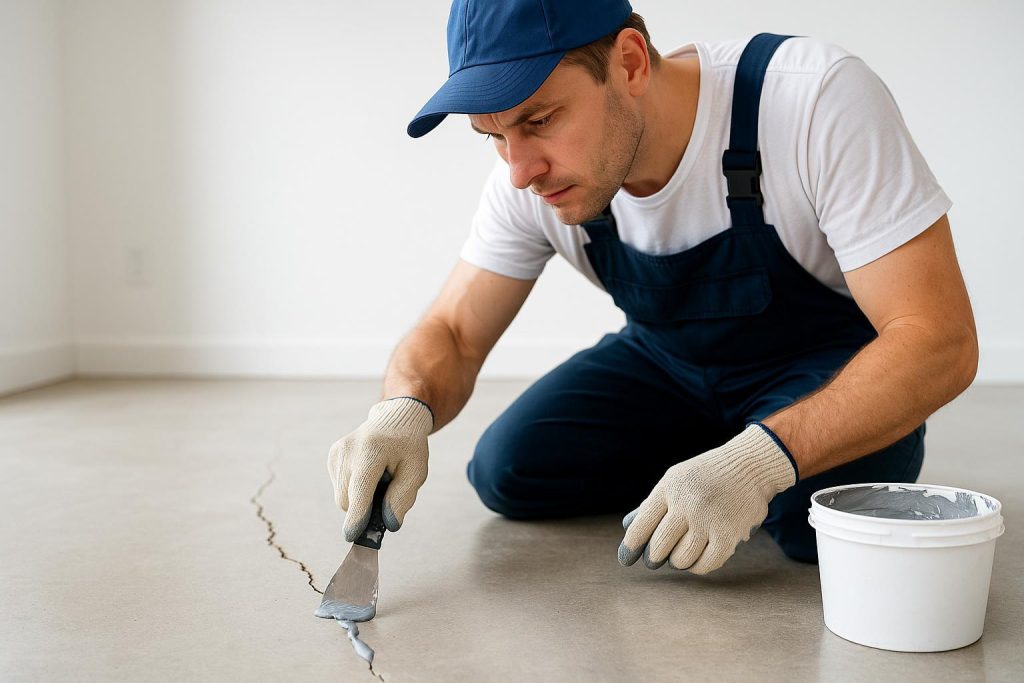
Understanding Concrete Floor Crack Filler: A Comprehensive Guide
Concrete floors are a vital part of many homes, garages, basements, and commercial buildings. These surfaces need to withstand constant foot traffic, heavy machinery, changing temperatures, and moisture exposure. Yet even the toughest concrete can develop cracks over time. If you’ve noticed cracks in your concrete floor, you’re likely looking for the best possible solution to fix them. In this guide, we’ll walk you through everything you need to know about concrete floor crack fillers, including what they are, how they work, and why choosing the right product or method can help protect your property for the long haul.
Why Concrete Floors Crack
Concrete is a strong, versatile material widely used in construction, but it’s not invincible. Over time, environmental factors and everyday wear can cause cracks to appear. Common culprits include:
- Settlement or shifting soil: If the ground beneath the concrete moves or settles, stress often transfers to the slab and creates cracks.
- Temperature fluctuations: Freeze-thaw cycles and extreme temperature changes can cause expansion and contraction, leading to surface fractures.
- Heavy loads: Garages bearing cars or industrial floors supporting heavy equipment can place significant stress on the concrete, hastening crack formation.
- Improper installation: If the installation team rushed the curing process or used an inadequate mix, premature cracking can result.
Cracks may start small, but if left untreated, they can spread or deepen, potentially resulting in bigger structural or moisture intrusion problems down the line. To prevent future damage, it’s crucial to address floor cracks as soon as you notice them.
The Basics of Concrete Floor Crack Fillers
Concrete floor crack fillers are specially formulated products designed to patch, seal, and reinforce cracks. Two of the most popular filler types are epoxy and polyurethane. Both options have pros and cons, so understanding their characteristics can help you choose the best solution for your particular situation.
- Epoxy Fillers: These fillers create durable, reliable results and strengthened bonds in the crack. They’re ideal for larger or more significant cracks because they can help restore some structural integrity. Epoxy cures hard and rigid, which is beneficial in areas where flexibility is not the top priority. If you’re patching a warehouse floor or heavy-traffic garage, epoxy fillers may be the best choice.
- Polyurethane Fillers: Polyurethane products, known for their flexibility, are an excellent choice for cracks that will experience slight movement or expansion and contraction of the substrate. Since concrete floors can shift slightly due to seasonal changes or regular usage, polyurethane fillers help accommodate those natural movements. They also offer cost-effective solutions for a wide range of crack widths and ensure the repair remains watertight.
Ultimately, there’s no one-size-fits-all answer when selecting the best concrete floor crack filler. The right choice depends on factors like the size of the crack, the environment (e.g., freeze/thaw cycles), and the typical loads or traffic on the floor.
Benefits of Proper Concrete Floor Crack Repair
A well-chosen crack filler, paired with sound repair practices, can:
- Stop Water Intrusion: Even minor cracks can let water seep in, especially in basements or garages. Adding an appropriate filler helps prevent moisture from traveling beneath the surface.
- Maintain Appearance: If aesthetics matter—such as in a showroom or finished basement—a smoother, sealed floor looks cleaner and more professional.
- Prevent Further Structural Issues: Tiny cracks can grow if not repaired properly. Sealing them early can help preserve the floor’s stability, preventing future damage that might be more costly to fix.
- Extend the Life of the Flooring: By sealing and protecting the slab from moisture and debris, you’ll likely add years to its usable lifespan.
When to Consider Professional Repair
While many DIY products are available in hardware stores, professional repair services can be beneficial if you have deeper, wider, or recurring cracks. Companies like CrackPros can offer non-invasive techniques that seal and stabilize cracks quickly. These approaches may include advanced crack injection methods using epoxy or polyurethane, ensuring the bond penetrates deep. Other benefits of professional repair include:
- Accurate Assessment: A professional can detect whether your cracks are cosmetic or a sign of more serious structural problems.
- Proper Material Selection: If you’re unsure whether to use epoxy or polyurethane, an expert can recommend the most suitable option for your specific floor and usage.
- Long-Term Warranty: Many professional services include a transferable lifetime guarantee on non-structural repairs, giving you peace of mind that the fix will last.
- Minimal Disruption: Reputable repair companies employ cost-effective solutions that avoid invasive excavation, so you won’t have to worry about tearing up your property.
It can be tempting to grab a crack filler off the shelf and handle it yourself. However, if the crack is large or in a high-traffic zone, a quick fix may fail prematurely. Investing in a thorough professional approach saves you both time and money in the long run.
Step-by-Step Process for Filling Concrete Floor Cracks
Whether you decide on a DIY method or call an expert, here’s a general overview of how floor crack repair commonly works:
- Cleaning the Area: The surface should be free of dust, debris, oil, or old filler remnants. Grease or dirt can undermine bonding, so thorough cleaning is crucial.
- Preparing the Crack: A professional may enlarge or shape the crack to create better edges for bonding. Any loose fragments are removed for a clean application.
- Choosing the Right Filler: Based on crack size and floor usage, you or your technician might select epoxy (for structural strength) or polyurethane (for flexibility and sealed protection).
- Injecting or Applying the Filler: If you’re dealing with deep cracks, injection is sometimes used to ensure the filler fully penetrates. Surface-level cracks may only require a simple application with a trowel or caulking gun.
- Allowing Proper Cure Time: Follow the product instructions for the curing process. Epoxy-based fillers usually take longer to cure fully but result in a very robust finish.
- Finishing Touches: Tools such as putty knives or grinders help achieve a smooth, consistent surface aligned with the rest of the floor.
Even if you’re confident in DIY repairs, consider reaching out for an expert assessment if you suspect the crack signals a bigger problem.
Common Floor Types Requiring Crack Filler
Concrete is everywhere, from your basement to your warehouse floor. Each environment may demand slightly different solutions:
- Basement Floors – Maintaining dryness is often the main priority. Basement Floor Cracks can allow moisture into your home, creating a musty smell or even full-blown water damage.
- Garage Floors – Heavy vehicles and fluctuating temperatures from outside exposure can stress the concrete. Garage Floor Repair solutions usually feature highly durable fillers to withstand weight and temperature swings.
- Commercial & Industrial Floors – Factories, shopping centers, and warehouses often face tough working conditions. Commercial / Industrial Cracked Floor Repair focuses on delivering high-performance products that hold up under constant traffic.
Each setting comes with unique conditions—from foot traffic to chemical spills—so choosing the right product is critical for long-lasting results.
Key Factors to Consider for an Effective Repair
When it comes to deciding which crack filler to use, weigh these considerations:
- Depth and Width of Cracks: Bigger, deeper cracks often require a more robust solution, like epoxy. Smaller cracks might do well with polyurethane, which remains slightly flexible.
- Type of Traffic: Garages, warehouses, or buildings with heavy machinery need a tough filler that resists impact and abrasive forces.
- Moisture Concerns: In damp basements, a product that seals water out is paramount to prevent mold or further weakening of the substrate.
- Drying Time: Some fillers set or cure in hours, while others can take a day or more. If you can’t temporarily block off the area, a quick-curing solution may be ideal.
- Long-Term Warranty Options: Repairs are a significant investment, so check if the filler application (particularly by a professional service) comes with a transferable lifetime guarantee or an extended warranty.
Addressing Underlying Foundation Issues
Sometimes, concrete floor cracks are merely the symptom of an underlying foundation problem. If you suspect your floor is cracking because of shifting or uneven settling, it might be wise to consider a broader evaluation. For example, if you notice cracks in basement walls or recurring cracks in the floor, you might consider exploring foundation wall crack repair techniques or structural foundation repair services.
Addressing the root cause can save you from repeat repairs and give you peace of mind that your foundation is stable. In many cases, simple non-structural floor cracks can be resolved with a high-quality filler. However, it’s good to keep an eye out for signs that more substantial intervention might be needed.
The Importance of Transparent Pricing
When investing in concrete floor crack filler, it’s understandable to worry about cost. Cheaper, store-bought solutions may appear budget-friendly at first glance, but if they fail prematurely, you’ll pay more in the long run to fix the same issue again. Meanwhile, some repair services have been known to hide fees or upcharge unexpectedly.
Look for a company that offers transparent pricing and a straightforward explanation of what your project entails. Ask if the quote includes materials, labor, and any specialized equipment. Clarify any potential upcharges, such as filling deeper cracks or working under tight time constraints, so you know exactly what to expect. You deserve accountability and clarity before committing to a repair.
How CrackPros Can Help
If you’re in search of high-quality repairs for your concrete floor cracks, consider a professional approach. At CrackPros, our customer-focused service revolves around assessing each crack’s nature before recommending an advanced crack injection or filler solution. Our methods are designed to be:
- Non-Invasive: We use proven interior repair techniques so you don’t have to worry about excavation or significant downtime.
- Cost-Effective: Our solutions are tailored to your specifications, preventing unnecessary spending on methods you don’t need.
- Durable for the Long Haul: We utilize both epoxy and polyurethane fillers depending on the project, ensuring the repair stands up to traffic and environmental hurdles.
- Backed by a Transferable Lifetime Guarantee (on non-structural repairs): Because we believe in the quality of our materials and processes, we stand behind our work, giving you durable, reliable results that last.
If you’d like a thorough evaluation of your floor cracks, you can reach us at 780-268-3875 or email info@crackpros.com. We’re happy to answer questions or schedule a free, no-obligation assessment.
Preventing Future Cracks
Even after you’ve filled existing cracks, you may wonder how to minimize future problems. While no method is foolproof, you can take steps to protect your concrete floors:
- Proper Sealing: After repair, adding a coat of concrete sealer (if appropriate) helps shield floors from water penetration and stains.
- Regular Inspections: Periodically check your floors for new cracks or signs of wear. Addressing small problems early keeps them from evolving into bigger issues.
- Good Drainage: Directing water away from your foundation, whether through gutters or landscaping, can keep excess moisture from collecting underneath and weakening the slab.
- Avoid Overloading: Place heavy equipment or storage in a way that evenly distributes weight, reducing stress on any one area.
Conclusion
Finding the best concrete floor crack filler isn’t just about picking any product off the shelf—it’s about choosing a solution crafted for your floor’s unique challenges. Whether you opt for a do-it-yourself filler or work with a professional service like CrackPros, addressing cracks at their earliest stages can prevent future damage, keep your floors looking their best, and ensure they stay functional for years to come.
At the end of the day, successful concrete floor crack repair comes down to three key principles: the right filler, proper preparation, and mindful follow-up to ensure a lasting fix. If the cracks in your floor seem too large, appear suddenly, or keep returning, contact us for guidance and support. With transparent pricing, non-invasive techniques, and a transferable lifetime guarantee on non-structural repairs, you’ll benefit from a service that values your peace of mind and long-term satisfaction. No matter the size or complexity of your floor cracks, you have options to ensure your concrete remains both strong and safe for everyone who walks across it.


