
Why Epoxy Injection Is Key to a Long-Lasting Foundation Repair
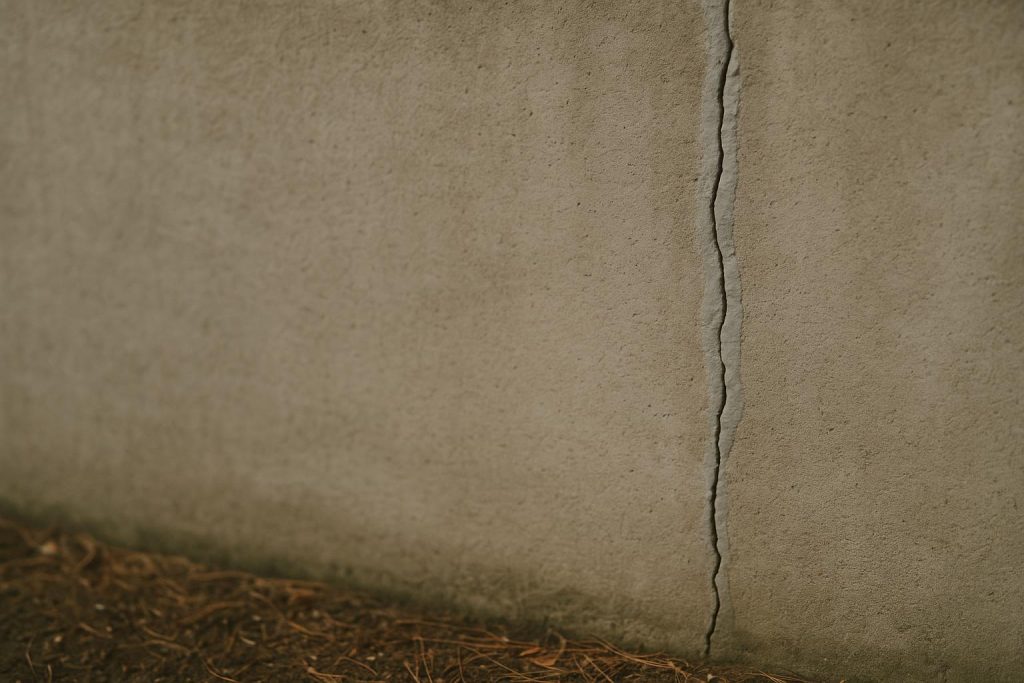
When a foundation crack appears in your basement walls or floors, it may seem like nothing more than a minor nuisance. Yet over time, these cracks often widen and allow moisture to seep in, leading to bigger issues like mold growth, weakened concrete, or even structural concerns. Epoxy injection is one of the most advanced crack repair methods available, offering cost-effective solutions that strengthen your foundation from the inside out. In this guide, we will explore how epoxy works, why it stands out from other materials, and what you can expect when using epoxy to fix a cracked foundation.
Epoxy is a two-part resin system specifically created to bond with concrete surfaces. Whether you are noticing water seepage in a basement floor crack or dealing with a severe vertical crack in a foundation wall, epoxy injections can restore the structural integrity of your home. This technique is effective for both residential and commercial buildings. By understanding the benefits and proper application of epoxy, you can prevent future damage and ensure you are investing your time and money in a repair that truly lasts.
Epoxy vs. Other Crack Repair Materials
The foundation repair industry offers several options, including polyurethane injections, hydraulic cement patching, and epoxy resin. Each material has unique characteristics:
- Polyurethane Foam: Commonly used for waterproofing and flexible sealing. Though it helps block water intrusion, it does not always offer the same level of structural reinforcement as epoxy.
- Hydraulic Cement: Typically used for quick patches. However, cement patches can shrink or become brittle over time, making them less reliable for long-term bonding.
- Epoxy Resin: Fills cracks completely to create a rigid, load-bearing seal. It combines high-strength bonding with excellent durability, making it ideal for structural foundation reinforcement.
When your goal is to stabilize the foundation itself, epoxy is often the go-to choice. Its superior bond and long-lasting performance make it indispensable for repairing major cracks that threaten a building’s stability. By contrast, polyurethane is more flexible and frequently used to seal actively leaking cracks in areas prone to moisture. While both methods are valuable, epoxy remains the gold standard for preserving structural integrity.
The Role of Advanced Crack Injection Techniques
The best epoxy formulations are designed for structural concrete applications and typically include a construction-grade polymer. At CrackPros, we utilize an approach known as advanced crack injection, ensuring the epoxy is delivered deep into the crack. This process helps the epoxy bond thoroughly with the surrounding concrete. Because the epoxy seal is so effective, the repair is less likely to reopen or allow hidden moisture to seep through later on. It is a cost-effective solution that can prevent bigger problems down the road.
Key elements of advanced crack injection include:
- Surface Preparation: Technicians ensure the crack’s edges are clean and free of loose debris. Proper surface prep improves epoxy penetration and overall bond strength.
- Injection Ports: Holes or ports are carefully drilled along the crack path. Epoxy is then injected under controlled pressure, allowing it to fill every crevice.
- Monitoring & Curing: After injection, we verify that the crack is properly sealed. The epoxy solidifies into a solid mass that reinforces the wall or floor.
- Durable Results: With epoxy, you benefit from both waterproofing and structural reinforcing. This blend of characteristics significantly reduces the chance of re-cracking.
This non-invasive method is generally completed from the inside, so you avoid unsightly excavation on your property. With minimal disruption, your home or commercial building can remain fully functional during the repair process. Advanced crack injection is widely recognized as one of the most dependable ways to mend concrete foundation cracks.
How Epoxy Protects Your Foundation Over Time
A cracked foundation can lead to long-term headaches if left untreated. Gradual soil shifting, water infiltration, or freeze-thaw cycles can force cracks to spread. Epoxy injection puts a stop to that cycle by integrating seamlessly with the existing concrete to form one cohesive structure. Because the epoxy hardens into a rigid material, it effectively resists future strain, especially when combined with durable injection techniques.
The benefits of epoxy protection do not end at immediate crack sealing. By blocking water intrusion, you help prevent mold and mildew, which thrive in damp basement environments. Staying proactive about a reliable foundation repair method can save you from major expenses later, such as extensive excavation, total foundation replacement, or large-scale landscaping repairs. Epoxy’s role in your foundation’s defense is critical to a safer, longer-lasting home.
Common Uses for Epoxy Foundation Crack Repair
Although foundation cracks can occur in many places, epoxy injections are particularly effective for high-stress locations and critical load-bearing walls. Below are some of the most common scenarios where epoxy plays a vital part:
- Vertical or Diagonal Cracks in Basement Walls: When you discover water seepage or structural concerns, epoxy can restore strength and create a durable, waterproof seal.
- Cracks in Basement Floors: Epoxy injection can be extremely beneficial for basement floor cracks where moisture intrusion is common. It forms a tough layer that stops water flow and stabilizes the slab.
- Garage Floor Repairs: Epoxy is a trusted option for garage floor repair because it handles heavy loads and resists chemical spills better than many patching materials.
- Leaking Tie Rods Around Walls: Cracks around tie rods or close to pipe penetrations can benefit from durable resin-based sealing.
- Commercial/Industrial Grade Floors: Warehouse floors with cracks can also benefit from epoxy, as it reinforces the floor against heavy foot traffic, equipment, and structural loads.
Whether you are dealing with a small crack or something more extensive, epoxy is a key choice for addressing a variety of foundation repairs. By selecting the right product and a knowledgeable installer, you can be sure that your repair meets the highest standards of strength and performance.
Steps Involved in Epoxy Injection
While every foundation crack repair project is slightly different, the epoxy injection process generally follows these steps:
- Inspection and Assessment: Professionals first examine the size and direction of your foundation cracks to determine whether epoxy is the best solution. If you have cracks that are actively leaking water, polyurethane may also be considered. Yet for structural bonding, epoxy leads the way.
- Surface Sealing: In most cases, a temporary epoxy “paste” is used to seal the exterior surface of the crack. This helps contain the injected resin once it begins to flow.
- Installing Injection Ports: Small injection ports or fittings are attached along the crack, typically at regular intervals. These ports direct the flow of epoxy into every gap.
- Injecting the Epoxy: Under carefully measured pressure, the resin is injected into the crack. Technicians continuously monitor the flow to ensure complete saturation.
- Curing and Cleanup: The epoxy is left to cure, usually over several hours or more, depending on the specific formulation. Once the epoxy hardens, ports are removed, and any surface sealant is cleaned off. The result is a restored section of concrete that is stronger than before.
The epoxy injection process may sound complex, but trained professionals can usually complete it in one or two days. This swift turnaround decreases any disruption to your normal routine. Many homeowners appreciate that the repair is done from inside, leaving their yard intact and landscaping undamaged.
Ensuring Your Epoxy Repair Lasts
High-quality materials are essential, but proper installation is equally important to ensure durable, reliable results. Qualified technicians know how to select the right epoxy viscosity, adjust injection pressures, and recognize hidden issues that could affect the bond. They also aim for consistent coverage, making sure no voids are left behind once the resin cures.
Here are a few factors that influence a lasting epoxy repair:
- Correct Diagnosis: Is the crack due to normal settling or is it part of a larger structural problem? A reputable contractor will investigate thoroughly.
- Proper Surface Prep: Removing dirt, paint, or debris ensures the epoxy bonds directly to the concrete.
- Material Selection: Not all epoxy formulas are alike. An epoxy specifically formulated for concrete is best for foundation repair.
- Post-Repair Inspection: After the installation, it is wise to inspect for signs of continued movement or seepage.
When done right, epoxy injection can provide an enduring seal that substantially extends the life of your foundation. This helps you avoid more complex and intrusive repair methods in the future.
Why Epoxy Is Cost-Effective
Although epoxy is sometimes perceived as a higher-end material, it offers numerous long-term savings. First, using epoxy injection can eliminate the need for excavation around your foundation—saving you money on labor, equipment, and potential damage to your property’s landscaping. Second, because epoxy injections are so effective at restoring the structural integrity of concrete, you reduce the likelihood of repeat repairs down the road. The durability factor is a major reason epoxy is called “the best” by many industry experts.
At CrackPros, we emphasize transparency in pricing, making it easier to budget for an epoxy repair. Thanks to advanced crack injection techniques, you can keep your property safe without major disruption or hidden costs. This is invaluable for homeowners and businesses alike, especially if you are trying to limit downtime or avoid expensive reconstruction. In addition, many epoxy repairs are backed by strong warranty coverage, offering you peace of mind that your investment will stand the test of time.
Ideal for Structural Foundation Repair
While some foundation cracks are mostly cosmetic, others can signify more serious structural problems. In certain cases, when your home’s stability or building integrity is at risk, epoxy’s load-bearing qualities are indispensable. Often, a foundation crack repair approach involves combining epoxy with additional structural supports like carbon fiber straps. These reinforcements ensure your foundation can withstand future pressures.
If you suspect your cracks fall into this higher-risk bracket, consulting an expert can clarify the situation. Looking at the crack’s width, location, direction, and frequency will determine how urgent it is to address. By acting promptly, you can save yourself from costly structural issues down the line. Should your cracks be non-structural yet still prone to water leakage, polyurethane might be suitable instead. The best strategy depends on a thorough inspection by a professional.
Pairing Epoxy Injections with Warranties
One common frustration among property owners is having to worry about whether a repair will hold. Epoxy is already recognized for its reliable performance, but partnering it with warranties adds another layer of protection. At CrackPros, non-structural repairs often come with a Transferable Lifetime Warranty, while structural foundation repairs include a 10-Year Warranty. This ensures your investment carries the peace of mind you need over the long term.
Foundation repair is more than just patching cracks. It is about restoring your home’s integrity for years to come. Warranties reinforce our confidence in the product and installation process, letting you know we stand behind the durability of advanced crack injection techniques. This approach underscores our commitment to high-quality repairs and the mission to prevent future damage.
Additional Resources for Complete Foundation Care
While epoxy is exceptional for many types of cracks, you may discover other issues that require specialized solutions:
- Actively Leaking Cracks: If you have water actively entering your basement, consider exploring solutions for actively leaking cracks. Polyurethane injection is often combined with epoxy to fully seal and stabilize such cracks.
- Spalling Concrete: Damaged concrete surfaces can compromise aesthetics and durability. To restore surfaces and add years to your concrete, spalling concrete repair may be necessary.
- Commercial/Industrial Cracked Floors: High-traffic areas benefit from commercial/industrial cracked floor repair services using heavy-duty epoxy or polymer solutions designed for large areas.
When in doubt, ask a professional to evaluate your foundation. By thoroughly diagnosing your property’s unique challenges, you can address all areas of concern, not just the most obvious cracks. The result is a home or commercial space that is safer, healthier, and ready to stand up to environmental stresses.
When to Seek Professional Epoxy Crack Repair
Sometimes, homeowners attempt do-it-yourself kits or quick fixes to address foundation cracks. While small, hairline cracks might benefit from minor repairs, major ones require trained professionals. Experts can assess the root cause of the crack, detect structural concerns, and use the optimal injection techniques to ensure thorough coverage. This lowers your risk of future leaks or costly re-repairs.
Consider reaching out if you notice one or more of the following:
- Cracks wider than 1/8 inch that extend through the wall or floor
- Water seeping into the basement with stains along the crack line
- Cracks near load-bearing walls or columns
- Signs of ongoing movement or expansions in existing cracks
In such situations, advanced epoxy injection—even in combination with other methods—can restore your foundation to top shape. By partnering with a reputable contractor, you also enjoy transparent pricing, professional oversight, and the warranties you deserve for peace of mind. There is no substitute for an experienced technician’s insight when it comes to safeguarding your property’s long-term stability.
Conclusion: Making Epoxy Part of Your Foundation’s Future
Epoxy has earned its reputation as one of the best materials for foundation crack repair. It permanently bonds with concrete, restoring not just the surface, but the structural integrity of the foundation itself. By using organized injection techniques, an epoxy repair fills every gap and prevents further movement or water damage. This saves you the hassle and cost of repeated fixes, while also preserving the value of your property.
Whether you are dealing with a small crack in the basement floor or major fractures in load-bearing walls, epoxy remains a proven solution that stands the test of time. Its formidable adhesion properties, combined with minimal disruption to your home or building, make it a go-to choice for professional contractors. Paired with a Transferable Lifetime Guarantee on non-structural projects and a 10-Year Warranty on structural repairs, epoxy injection is a key step toward making your foundation as strong as possible.
If your foundation cracks are starting to worry you, or you want to ensure you are using the most advanced crack injection techniques available, consider reaching out to a trusted professional. Doing so not only provides you with transparent pricing and an expert assessment—it means you are protecting your greatest investment for years to come. Epoxy injection stands at the forefront of reliable, cost-effective solutions for thousands of homeowners each year. When you choose epoxy, you are taking a proactive step that helps prevent future damage and strengthens your home from the inside out.


