What is the process for concrete foundation crack repair?

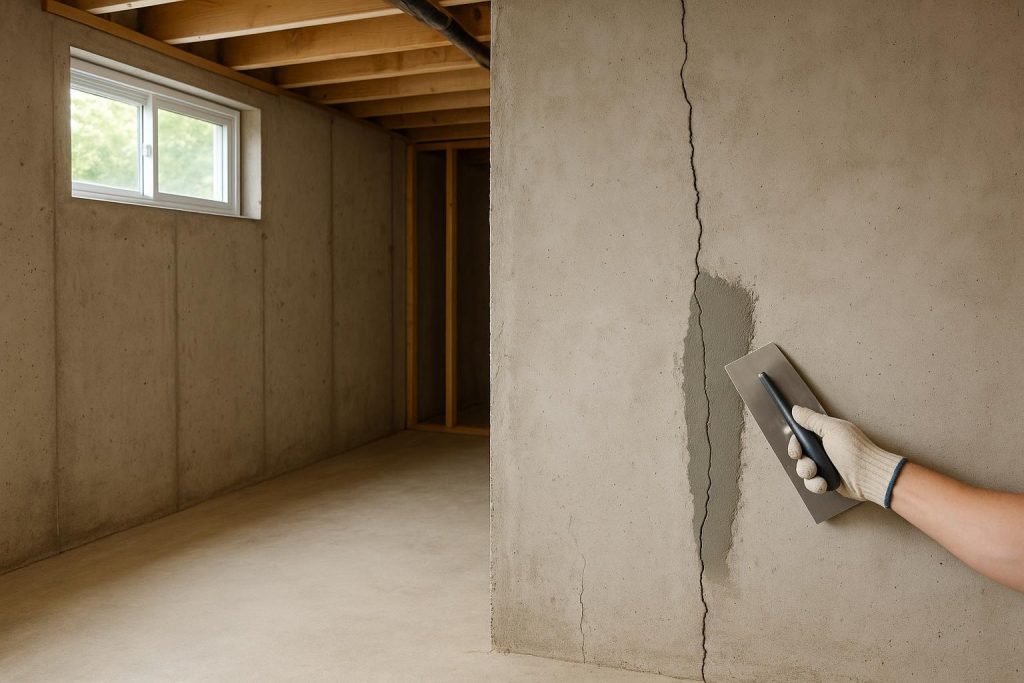
Technician performing foundation crack repair on an interior concrete wall.

The process for concrete foundation crack repair involves several critical steps to ensure a thorough and lasting solution. At CrackPros, we begin with a detailed inspection of the foundation to assess the size and severity of the cracks, as well as to identify any underlying issues that may have contributed to the problem. Once the assessment is complete, we prepare the crack for repair. This includes cleaning out the crack to remove any loose debris, dirt, or old sealant. We may use tools like chisels or grinders to create clean edges around the crack, which helps enhance the adhesion of the repair material. Next, we select the appropriate repair method based on the severity of the crack. For smaller cracks, we typically use high-quality epoxy or polyurethane crack fillers that penetrate deep into the concrete and form a strong bond. For larger cracks, we may utilize epoxy injection, which involves injecting a specially formulated resin into the crack to restore its structural integrity. After the repair material is applied, we allow it to cure according to the manufacturer’s specifications. This curing process is crucial for achieving maximum strength and effectiveness. Finally, we conduct a final inspection to ensure the repair has been successful and that the crack is properly sealed. At CrackPros, our experienced team is dedicated to delivering reliable concrete foundation crack repair services that protect your home and enhance its stability. If you’re facing issues with cracks in your foundation, contact us to discuss how we can help!

Related FAQs

How Basement Waterproofing Helps Prevent Foundation Cracks Basement waterproofing is an effective way to protect your property from moisture-related issues, including the development of new foundation cracks. Water seepage and rising humidity levels can weaken concrete over time, making it more susceptible to cracking. By keeping your basement dry, you reduce the risk of water […]

Epoxy Injections for Effective Crack Repair When repairing foundation wall cracks or other structural cracks, epoxy injections are primarily used for strengthening rather than waterproofing. Epoxy is an exceptionally strong material once it cures, helping to bond concrete sections back together and restore a crack to its original structural integrity. By filling voids thoroughly, epoxy […]

Understanding Reopened Cracks After Injection Even with a properly executed crack injection, there is a slim possibility that a foundation crack can reopen. Often, this has more to do with a property’s ongoing structural shifts than the effectiveness of the polyurethane or epoxy material. Seasonal freeze-thaw cycles, changing soil conditions, or additional settling can sometimes […]

Minimally Invasive Crack Injection: Do You Really Need Excavation? If you are facing foundation cracks or leaks, you might worry about having to excavate your yard to address the issue. However, in most cases, injection-based foundation repairs do not require digging up your property. Instead, modern crack injection methods use polyurethane foam or epoxy injected […]

Epoxy vs. Polyurethane for Structural Crack Injection When deciding between epoxy and polyurethane crack injection, especially for structural cracks, it is important to understand what each material offers. Epoxy injection is best known for its remarkable ability to restore structural integrity in damaged concrete. Once injected, epoxy cures into a rigid, high-strength bonding agent that […]

Why Uneven Floors May Indicate a Foundation Problem Uneven or sloping floors can sometimes be caused by natural settling or minor construction issues. However, if your floors are getting progressively more uneven, it could point to underlying structural concerns. Over time, soil movement, water intrusion, and regular wear and tear may affect how your foundation […]