
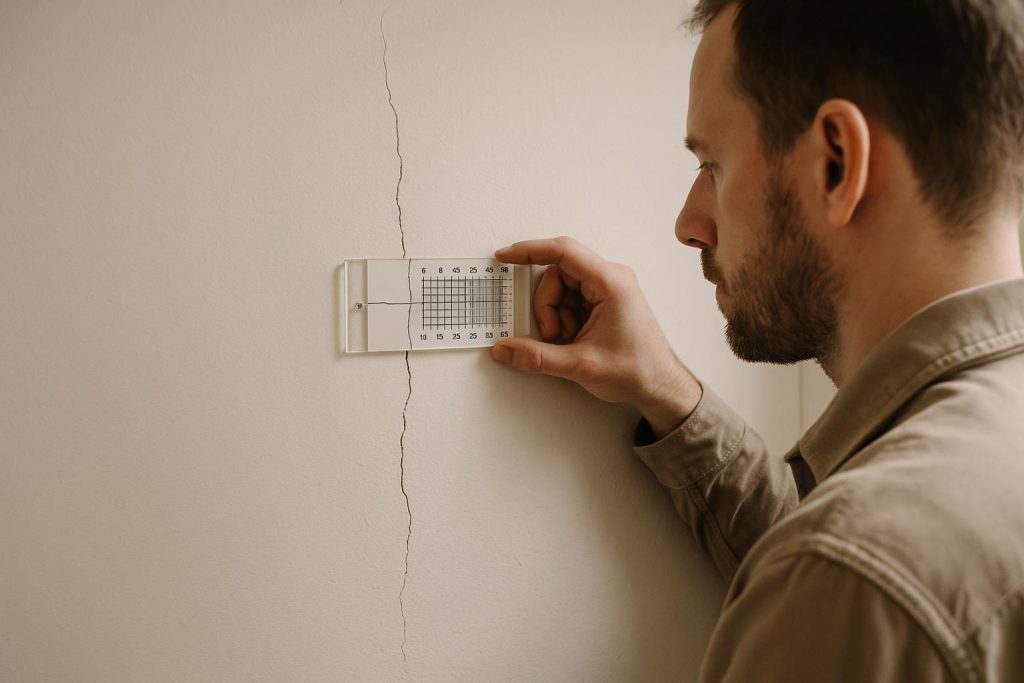
The Value of Professional Crack Monitoring and Moisture Detection for Foundation Health
When it comes to protecting your home’s structure, foundation cracks should never be ignored. While it’s common to wonder if you can monitor these issues on your own using off-the-shelf tools, the truth is that crack monitoring tools don’t really exist in any effective or widely available form for homeowners. The most reliable way to understand whether a crack is stable or worsening is through a visual inspection by a trained foundation repair professional.
In some cases, moisture monitors can offer clues that a crack is leaking—especially if you detect elevated humidity levels or dampness near the foundation wall. But these devices are only one piece of the puzzle. If moisture is present, there’s a strong chance a crack exists—and a professional evaluation is the only way to confirm its severity and determine the right repair strategy.
This article explores why professional inspections and moisture detection are your best tools for foundation care, the signs you should be looking out for, and how timely intervention protects your property from long-term damage.
Why DIY Crack Monitoring Falls Short
While the idea of using a DIY crack gauge or app might sound convenient, these tools are not accurate, standardized, or reliable for diagnosing real foundation movement. They often fail to track minute changes and cannot detect the underlying issues that cause cracks—such as soil shifts, hydrostatic pressure, or poor drainage.
In contrast, a trained professional can quickly assess whether a crack is superficial or structural, whether it’s dry or actively leaking, and what’s contributing to the problem. Moisture near a foundation wall is often the first clue that water is getting in through a crack, even if the crack itself isn’t immediately obvious.
Why Early Detection Still Matters
Even though you may not be able to monitor cracks with tools, keeping an eye on changes and calling in an expert when you notice something new can make all the difference. Left unaddressed, small cracks can widen and deepen, allowing water to enter your basement, damage materials, or trigger mold growth. Worse, they can evolve into larger structural issues that affect the stability of your entire home.
Early detection means simpler, less expensive solutions—such as interior polyurethane or epoxy injection—before a crack expands or begins to leak heavily. The sooner you address the issue, the better the outcome and the lower the cost.
How Moisture Monitoring Can Help
If you’re concerned about leaks or basement dampness, a basic moisture or humidity sensor can help you identify problematic areas. These tools won’t detect the presence or movement of a crack, but they can confirm whether water is entering your foundation. If humidity levels spike or you see signs of condensation or damp spots on the wall or floor, it’s time to schedule a professional assessment.
CrackPros offers solutions for leaking tie rods, around-pipe repairs, and basement floor cracks—all of which may involve water infiltration from cracks that aren’t immediately visible without expert inspection.
Best Practices for Visual Crack Monitoring
While you may not have a gauge, your eyes are still one of the best tools for catching early signs of foundation damage. Here’s what to look for:
-
New or expanding vertical cracks in basement or garage walls
-
Hairline fractures that seem to widen over time
-
Water staining or mold on baseboards or drywall near a crack
-
Cracks forming near window or door frames
-
Pools or trickles of water after rainfall or snowmelt
Take photos periodically to track changes, and note when you first noticed the issue. If anything changes significantly—or you’re unsure whether something needs repair—have it professionally evaluated.
Why Work with CrackPros
At CrackPros, we believe homeowners deserve a straightforward, effective path to protecting their property. That’s why we offer:
-
Free, professional inspections
-
Interior, non-invasive repair techniques
-
Advanced epoxy and polyurethane crack injections
-
Lifetime Transferable Guarantee on non-structural repairs
-
10-Year Warranty on structural repairs
-
Transparent pricing and zero-pressure consultations
We’ll let you know exactly what’s happening, what the solution is, and how much it will cost—no guesswork, and no unnecessary repairs.
Protecting Your Foundation for the Long Term
A proactive mindset is the best foundation strategy. If you see a crack—or even suspect moisture is entering your home—schedule a professional inspection. What may seem like a minor inconvenience could be the start of a more serious issue. But with early intervention, most cracks can be repaired quickly and affordably.
Whether you need foundation wall crack repair, structural reinforcement, or floor crack sealing, CrackPros has the tools and experience to deliver long-lasting, warrantied results.
Don’t wait until a small crack becomes a big problem. Contact CrackPros today to book a no-obligation foundation assessment.


