
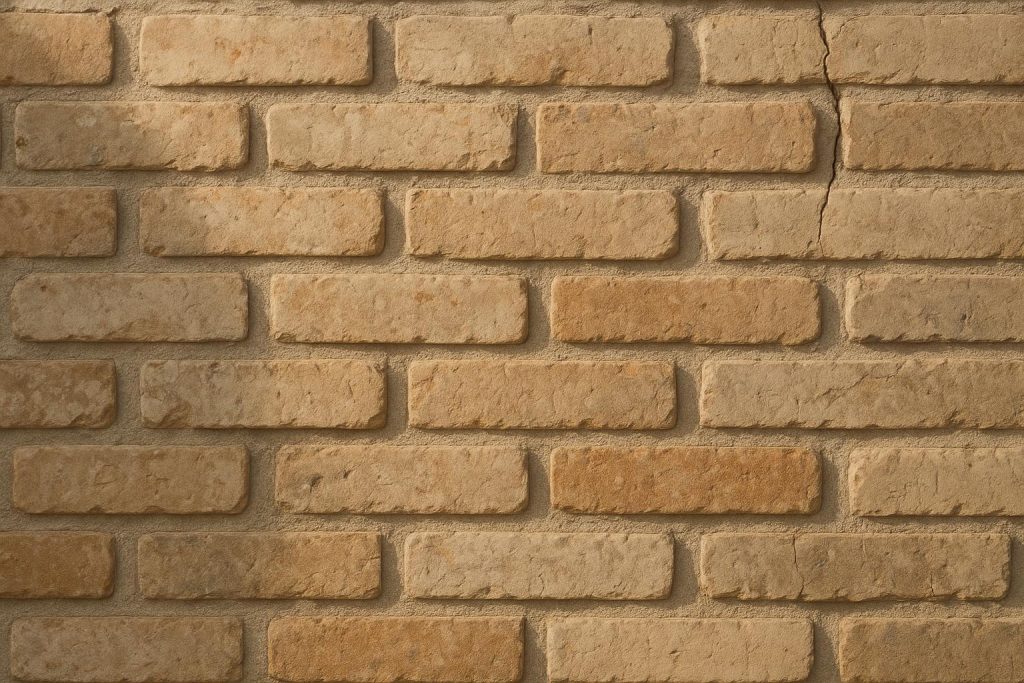
Maximizing the Long-Term Effectiveness of Masonry Crack Fillers
Masonry crack fillers are often the first line of defense when you notice a fracture in a brick wall, concrete block, or other masonry surface. They can patch up small to medium cracks, strengthen weakened areas, and deter moisture from entering. But are these fillers truly effective for the long haul? In many cases, they can provide reliable, lasting results—provided you use the right products, techniques, and follow-up maintenance. In this in-depth guide, we’ll explore how to choose and apply masonry crack fillers for the best possible outcome, discuss additional professional methods, and highlight ways you can preserve the integrity of your masonry for many years to come.
1. Understanding Masonry Crack Fillers
Crack fillers are specially formulated compounds designed to seal and reinforce small gaps in materials like concrete, brick, and stone. Whether you’re repairing your basement walls or the mortar lines on your exterior brickwork, these compounds typically come as caulk-like tubes, dry mixes, or liquid solutions. Many homeowners favor them as a quick, cost-effective solution because they can be applied without the need for extensive demolition or excavation.
The main function of a filler is to prevent water from penetrating the crack and to reduce the possibility of further expansion. When moisture seeps inside a crack and experiences freezing temperatures, the expanding ice can widen the gap, creating more damage. If left unchecked over time, that small compromise could evolve into a bigger issue. By preventing unwanted moisture, fillers help preserve the structural integrity of masonry and stave off more serious repairs in the future.
2. When to Use a Crack Filler
Masonry crack fillers are best suited for non-structural or hairline fractures up to moderate size. They work well on many surfaces: the mortar between bricks, concrete blocks, or smaller cracks along a basement floor. However, it’s essential to establish whether the crack is purely cosmetic or indicative of deeper structural problems. If you’re unsure how to classify your crack, you may find helpful insights in How can I identify a structural crack in masonry?.
Once you confirm that your crack doesn’t stem from a significant foundation shift, a filler can be highly effective. Properly using crack fillers for smaller openings offers a convenient “first fix” that can prevent early onset moisture damage. In fact, leaving even a tiny gap exposed to the elements can turn into a more extensive (and expensive) structural problem, particularly in regions with freeze-thaw weather cycles. If your local climate experiences repeated freezing temperatures, you can learn more about how cold weather impacts cracks in How do freezing temperatures affect masonry cracks?.
3. The Key Factors That Impact Long-Term Success
While crack fillers can be a long-lasting solution, their longevity depends on several key factors:
- Crack Size: Very large or actively spreading fractures may require professional methods beyond simple fillers.
- Filler Quality: The type of product used matters a great deal. High-quality repair materials are more likely to maintain their adhesion and flexibility over time.
- Surface Preparation: Clean and properly prepared surfaces help ensure that any applied filler adheres as intended and does not peel away prematurely.
- Proper Application: Even the best product can fail if not installed under the right conditions or in the right way. Pay attention to temperature requirements, recommended layer thickness, and curing times.
- Maintenance: Like all home repairs, ongoing inspection helps you spot early signs of re-cracking and allows you to reapply or reinforce as necessary.
When these factors are addressed carefully, masonry crack fillers have the potential to last for many years, effectively sealing out moisture and preventing further deterioration. If you’re concerned about additional causes of cracking, see What causes cracks in masonry walls? to explore underlying reasons that might influence your next steps.
4. Importance of High-Quality Materials
One of the biggest determinants of how well your filler performs long-term is product quality. High-grade fillers are typically composed of flexible but durable polymers or cements that can bond strongly to masonry surfaces. Some contain a blend of epoxy or polyurethane that hardens into a water-resistant barrier. Failing to invest in a reputable product could lead to peeling, cracking, or shrinking of the patch over time, eventually re-exposing the underlying gap. Rather than re-patching the same spot repeatedly, it’s often more cost-effective to select a premium filler from the outset.
In addition to robust filler materials, consider advanced crack injection techniques for bigger concerns. Professional injection methods use specialized resins that can penetrate deep within the crack, forming a tight bond from within the wall itself. You can see more about such repairs at foundation wall crack repair, which not only seals cracks but helps strengthen the area to reduce further spread.
5. Matching the Right Filler to the Crack
Not all cracks are created equal, and not all fillers are identical. Selecting the best product for your particular crack type and location is vital:
- Hairline Cracks: Narrow gaps less than 1/8 of an inch often benefit from filler injected via a thin nozzle or specialized tubes designed for very fine cracks.
- Wider Cracks: Medium-sized fractures (up to about a quarter-inch) may need a thicker, more robust compound, sometimes requiring repeated layering.
- Exterior vs. Interior: Exterior cracks face more exposure to weather, so choose a weatherproof, flexible filler that can handle freeze-thaw cycles. Interior cracks may place slightly less demand on the filler, but it’s still wise to choose a product that ensures a solid, moisture-resistant seal.
Selecting the right solution also depends on material compatibility: for instance, some fillers designed for poured concrete may be less suitable for brick mortar lines. Always confirm that the manufacturer’s instructions and specifications align with your project scope.
6. The Role of Professional Injection Techniques
Although crack fillers can effectively address smaller and superficial damage, more extensive or recurrent cracks often call for professional techniques. These methods typically involve epoxy or polyurethane injections under pressure, filling the entire crack path well below the surface. Such approaches reinforce the internal structure of the masonry, significantly reducing the chance of the crack reopening. If you’re curious about the range of professional methods available, see What are the common methods for repairing masonry cracks?.
Professional injection might be a particularly good solution if:
- The crack keeps reappearing despite repeated filler treatments.
- You notice signs of water seepage despite using standard filler solutions.
- The crack is in a structural section of the wall, or in a location that bears significant load.
Using these specialized materials and pressurized injection strategies can yield durable, reliable results. They often come with transferable warranties, ensuring that you receive cost-effective solutions that withstand the test of time.
7. Potential Limitations of Crack Fillers
Though they can be a powerful remedy, crack fillers aren’t a panacea. Here are some situations where you might run into complications:
- Major Structural Defects: If your building’s foundation is shifting or settling, no topical filler will correct the underlying structural movement.
- Poor Preparation: Neglecting to clean out loose debris, dust, or moisture can hinder adhesion and cause a filler to fail prematurely.
- Freeze-Thaw Extremes: When cracks are repeatedly exposed to drastic cold and heat without a sufficiently flexible seal, additional stress can cause the filler to separate from the masonry.
- Ignoring Early Leaks: Small cracks can evolve into leakage points over time. If you think moisture might already be traveling through, consider reviewing Can small cracks in masonry lead to leaks? for best next steps.
In serious cases, it might be more practical to incorporate professional repairs from the start rather than relying on repeated do-it-yourself efforts.
8. Maintenance and Prevention
Even the best filler will perform better with proper maintenance. Here are a few preventive measures to keep your masonry in optimal shape:
- Inspect Regularly: Conduct periodic checks of your exterior and interior walls, especially areas prone to moisture or temperature swings. Detecting a small crack early allows for simpler fixes, often requiring just a quick touch-up.
- Control Moisture: Ensure your home has adequate drainage. Clean gutters and downspouts so that water flows away from the base of your property. Excess moisture around your foundation walls can exacerbate even small fractures.
- Seal Vulnerable Areas: Look out for any gaps around windows, doors, and utility penetrations. Well-sealed openings keep windblown rain and melting snow from sneaking into wall cavities.
- Address Shifting Soil: If your property has expansive clay soils or experiences seasonal ground shifts, keep watch for signs of new cracks. Adjusting your landscaping or grading around the house may be helpful. To dig deeper, visit How can I prevent future masonry cracks?.
Continual monitoring helps you catch minor issues before they require major repair, saving both time and money.
9. When to Seek Expert Advice
If your crack is in a critical spot, like a corner of your foundation or a load-bearing wall, professional assessment is always prudent. Specialists can determine if the damage extends deeper, especially if you’ve previously attempted a filler-only fix without success. Sometimes, cracks can appear deceptively benign, but the true cause may involve shifting footings or significant structural strain. For peace of mind, or if you have noticed moisture intrusion, you might consult with a repair specialist who uses non-invasive injection techniques. These strategies help reinforce the structure as well as seal the crack. If you already tried basic DIY repairs, you might also enjoy reading Is DIY masonry crack repair advisable?.
Always remember that delaying important repairs can lead to bigger expenses. If you suspect the crack isn’t merely cosmetic, early professional intervention will often be more cost-effective and reliable.
10. Practical Steps for a Successful Repair
Should you choose to apply filler yourself, consider these key steps:
- Clean Thoroughly: Remove loose material, dust, and debris from the crack. You can use a wire brush or compressed air for deeper crevices.
- Check Moisture Levels: Ensure the crack is dry. If it’s possibly damp, allow time for any moisture to evaporate or dry completely.
- Prime (If Needed): Some products require a primer or bonding agent for better adhesion. Confirm with the filler’s manufacturer.
- Apply in Layers: For deeper cracks, applying the filler in layers may help prevent sagging or uneven curing.
- Tool the Surface: Once the crack is filled, use a putty knife or trowel to flatten the surface. This helps achieve a smooth finish and ensures complete contact.
- Observe Curing Times: Follow drying or curing guidelines. Exposing fresh filler to excessive moisture or freezing temperatures prematurely can hinder its effectiveness.
Taking the right approach minimizes errors and yields a repair that stands the test of time.
11. The Risks of Ignoring Masonry Cracks
Leaving even minor cracks unaddressed can lead to costly consequences. Over time, water infiltration may cause mold growth, damage interior finishes, or weaken mortar joints. Sometimes, ignoring a crack can permit further structural shifts that jeopardize your home’s stability. To learn more about these potential pitfalls, you can check out What are the risks of ignoring masonry cracks?. Even if the crack looks minor, a cautious approach ensures you preserve your building’s longevity.
12. Combining Crack Fillers with Professional Repairs
For homeowners primarily concerned with cost, a two-step process can be a good strategy: seal the small to medium cracks using ready-to-use fillers as a first measure, then monitor for developments. If new cracks appear or a pre-existing one reopens, it may be time for more advanced solutions like structural injections or carbon fiber reinforcement. Everyone’s circumstances differ—from the age of the home to local weather extremes—so giving yourself a plan for potential supplementation can prevent stress in the long run. For advanced reinforcement options, you might explore structural foundation repair solutions that address deeper stability issues.
13. Conclusion: Effective & Long-Lasting Solutions
Ultimately, masonry crack fillers serve as an invaluable tool in preventing small problems from evolving into major headaches. By blocking out water, stabilizing minor fractures, and preserving the aesthetic of your masonry, they offer a practical and lower-cost approach to building maintenance. Yet, the success of these fillers hinges on selecting high-quality materials, applying them correctly, and keeping an eye out for potential re-cracking. For larger or persistent issues, professional injection methods and thorough assessments go a long way toward ensuring structural stability.
If you’re uncertain about the best approach or you’ve spotted cracks in critical parts of your home, it’s always wise to consult a specialist. They can identify whether your crack is indeed suitable for a filler-based remedy or if more extensive repair—such as foundation wall crack repair—is advised. Don’t wait until small cracks morph into major structural issues. Small, proactive steps today can help you avoid expensive overhauls and safeguard your investment for the long term.
Should you need detailed advice or want an expert evaluation, feel free to request a free estimate. Masonry cracks don’t have to undermine your home’s safety or value. With targeted, diligent maintenance, you’ll keep your walls strong, your interior dry, and your peace of mind intact for years to come.


