
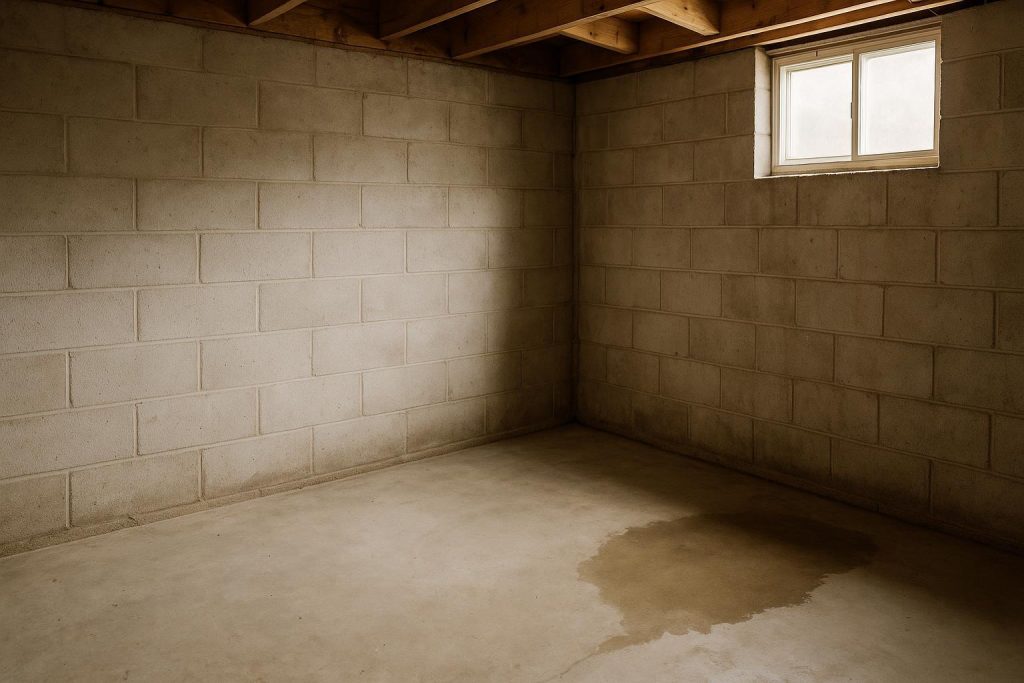
Essential Steps to Prevent a Basement Leak from Worsening
Basement leaks can be stressful, but they do not have to become overwhelming problems. By recognizing early signs of moisture, you can take preventative measures to avoid further damage. A basement leak can stem from multiple sources, including cracks in foundation walls, gaps around pipe penetrations, or issues with basement floors. This guide explores how to identify a basement leak, how to minimize ongoing problems, and when to consider professional repair.
1. Recognize Early Warning Signs
Detecting a leak early is the best way to prevent more serious issues from developing in your basement. Look out for the following signs and address them as soon as possible:
- Visible cracks in walls and floors: Harmless hairline cracks are somewhat common, but cracks that keep growing or show signs of moisture intrusion require attention.
- Peeling paint or damp patches: If interior wall paint seems to peel, bubble, or discolor, it could be a sign of hidden water infiltration.
- Musty or moldy odors: A persistent, damp smell in the basement often indicates trapped moisture or active leaks behind walls.
- Nearby pooling water: Keep an eye on areas around the exterior foundation. If water pools near basement walls or collects at the home’s perimeter after rain, it may be seeping inside.
2. Manage Surface Water Around Your Foundation
Water in the ground surrounding your foundation can make existing leaks worse. External efforts that direct water away will reduce the likelihood of further basement dampness. Consider taking these measures to protect your home’s foundation:
- Check gutter systems: Ensure gutters are cleaned regularly and properly aligned. Overflowing gutters spill water straight down your walls, which can magnify moisture problems.
- Use downspout extensions: Extending downspouts at least several feet from your foundation helps guide water away from your basement. Make sure the exit point angles away from the structure.
- Grade the yard: If the ground near your home slopes inward, that traps water against the basement walls. Re-grading to create a gradual slope away from the foundation reduces pooling.
- Install drainage solutions: In problem areas prone to puddles or flooding, consider installing French drains or similar solutions that channel water away from your home.
3. Control Interior Humidity and Moisture
High humidity can exacerbate basement issues by encouraging mold and mildew. Even if you only suspect a small leak, it is wise to deal with indoor moisture to prevent additional damage:
- Use a dehumidifier: A high-capacity dehumidifier reduces moisture in the air, keeping your basement more comfortable and helping to ward off mold growth.
- Avoid line-drying laundry inside: Clothing and other items can quickly raise humidity. Either dry them outdoors or ensure adequate ventilation if indoors.
- Properly ventilate the basement: Make sure vents or fans direct moist air out of the basement, especially if the space is used for storage or living.
4. Seal and Monitor Minor Cracks
If you detect small leaks or hairline cracks, addressing them early can prevent extensive damage. Some DIY-friendly solutions include:
- Concrete patching compounds: Certain compounds can be used to fill small cracks on interior walls or floors. This helps keep water out and halts crack enlargement.
- Waterproof sealants: Products designed to block moisture from penetrating walls or floors can temporarily reduce water infiltration.
- Periodic checks: Even after sealing, inspect the area every few months for signs that the crack is widening or moisture is resurfacing.
While these methods may help with superficial cracks, more significant problems often require deeper solutions involving advanced crack injection or professional interventions.
5. Repair Basement Floor Cracks and Tie Rod Openings
If there is water seeping through the floor or around embedded tie rods, it indicates more than just surface-level leaks:
- Basement floor cracks: Minor fissures can let water from below the slab push upward. For thorough control of basement floor cracks, consider a Basement Floor Crack Repair approach designed to seal and fortify the slab, minimizing the risk of recurring leakage.
- Leaking tie rods: In structures that use tie rods, micro-gaps can develop around these rods over time. Sealing tie rod leaks can be essential for preventing water from reaching drywall or interior finishes. For a specialized fix, see if Leaking Tie Rods solutions are appropriate.
Addressing these issues promptly can save you from musty odors, damaged flooring, and more severe water infiltration.
6. Don’t Overlook Foundation Wall Cracks
Cracks in foundation walls are among the most common causes of basement leaks. Even if a crack appears small, it can grow over time and let water seep in faster. Below are some important considerations:
- Identify actively leaking cracks: If cracks are actively dripping or show visible moisture, a professional approach may help stop water at the source. Actively Leaking Cracks solutions often involve injected resins that expand to fill the entire gap.
- Use specialty injection methods: Epoxy or polyurethane injections are excellent for sealing, stabilizing, and preventing future damage. Epoxy is celebrated for its strength in structural repairs, while polyurethane remains flexible, forming a waterproof barrier to block water from entering.
- Consider professional assessments: A trusted foundation repair service can evaluate foundation wall cracks, identify potential structural risks, and recommend the most cost-effective method. Foundation Wall Crack Repair is a dependable permanent fix, ensuring the cracks do not widen further.
7. Ensure Adequate Waterproofing Steps
Even after fixing leaks and cracks, ongoing waterproofing can help protect your basement from future problems. Some essential waterproofing steps include:
- Interior drainage systems: Installing interior drain tiles or a sump pump can catch water at the perimeter and guide it away, stopping moisture from reaching the basement floor.
- Vapor barriers: Placing vapor barriers along interior basement walls can help keep moisture from migrating through porous concrete surfaces.
- Consider around-pipe repairs: Water often sees pipe openings as an easy route into basements. If you have water intrusion near piping, Around Pipe Repair solutions use specialized materials to seal these vulnerable spots.
Taking the time to waterproof effectively not only helps fix current leaks but also lowers the risk of fresh leaks forming in the driest parts of your basement.
8. Monitor Repairs and Inspect Regularly
Once you address your basement leak, stay proactive by examining the repaired area. Early detection of new signs of moisture can save you from repeating the same hassle. Here is what to plan for:
- Seasonal checks: Thoroughly assess your basement and the exterior foundation each season—especially before and after heavy rain or snow melt.
- Look for changes: Watch for new cracks, expansion in existing ones, color changes, or damp spots gradually reappearing.
- Test sub-slab drainage: If you have a sump pump, test it twice a year to confirm it is clearing water properly.
Regular inspections are a straightforward, cost-effective way to remain a step ahead of potential basement leak issues.
9. Know When It’s Time for Expert Help
While some leaks are manageable with DIY fixes, an ongoing or worsening basement leak typically requires a professional approach. Situations that call for expert assistance include:
- Recurring leaks in the same spot: If you keep seeing water returning after patching small cracks, there may be a structural or moisture-level concern that demands specialized help.
- Widespread cracking: Multiple cracks in walls or floors could point to a foundation issue. More thorough solutions, such as Structural Foundation Repair, might be necessary.
- Sinking, shifting, or bowing walls: If the basement walls look misaligned or the floor sags, that indicates more serious problems that often require robust structural interventions.
- Previously repaired cracks that fail: If a past repair method did not hold up, consider an updated approach. Specialized Previously Repaired Cracks methods can offer a longer-lasting fix.
Professional foundation repair services often provide free assessments or transparent pricing estimates, so you can gauge the extent of the damage without undue pressure.
10. Keep Long-Term Prevention in Mind
Beyond solving your immediate leak, implementing long-term prevention ensures you will not face a recurring headache down the line. Here are tips to keep your basement leak-free:
- Schedule annual maintenance: Have your foundation checked periodically by specialists. This helps deal with minor cracks or suspicious moisture before they cause bigger problems.
- Maintain interior protective measures: Continue to use dehumidifiers and ensure adequate ventilation. Clean up any spills that can create damp environments.
- Use cost-effective strategies: Simple improvements, such as adding gutter guards or installing downspout extensions, often cost far less than large-scale fixes later.
Preventing a basement leak from worsening involves both immediate and long-range thinking. By following a proactive plan, you protect your property from harmful moisture intrusion while saving money in the process.
Putting It All Together
Basement leaks can start out subtle, showing up as faint discoloration or minor cracks. Left unaddressed, however, they may lead to bigger problems such as mold growth, damage to personal belongings, or structural deterioration. By keeping up with regular home maintenance—cleaning gutters, managing slope around the foundation, controlling indoor humidity, and sealing cracks—you significantly reduce the chances of a nagging basement leak. If moisture keeps appearing or if any cracks look especially alarming, do not hesitate to seek professional evaluations.
Addressing basement leaks most effectively involves knowledge, planning, and the willingness to tackle the issue before it escalates. For persistent or serious leaks, professional repairs like foundation wall crack repair or actively leaking cracks solutions can eliminate pathways for water intrusions. Taking action early protects your home environment, preserves its structural integrity, and prevents future damage.
If you need guidance or an honest assessment of your basement’s condition, contacting an experienced foundation specialist is often the best first move. Professionals can determine the severity, recommend the right materials (epoxy or polyurethane), and skillfully apply lasting repairs. With a clear plan and ongoing vigilance, you can keep your basement dry, comfortable, and structurally sound for many years to come.


